
How to Make Italian Seasoning: Your Shortcut to Flavorful Cooking
Let’s face it—Italian seasoning is one of those magical pantry staples that can take any dish from “meh” to “wow” in seconds. From pasta sauces to roasted veggies, soups, and even chicken, a sprinkle of Italian seasoning elevates your meals with minimal effort. But here’s the thing: store-bought blends can sometimes taste flat, overly salty, or just… meh. That’s why today we’re talking about how to make Italian seasoning from scratch.
Making your own blend is not only simple, but it also gives you total control over flavor and freshness. Plus, you’ll feel like a culinary wizard every time you shake your homemade mix over dinner.
Why Homemade Italian Seasoning Beats the Store-Bought Stuff
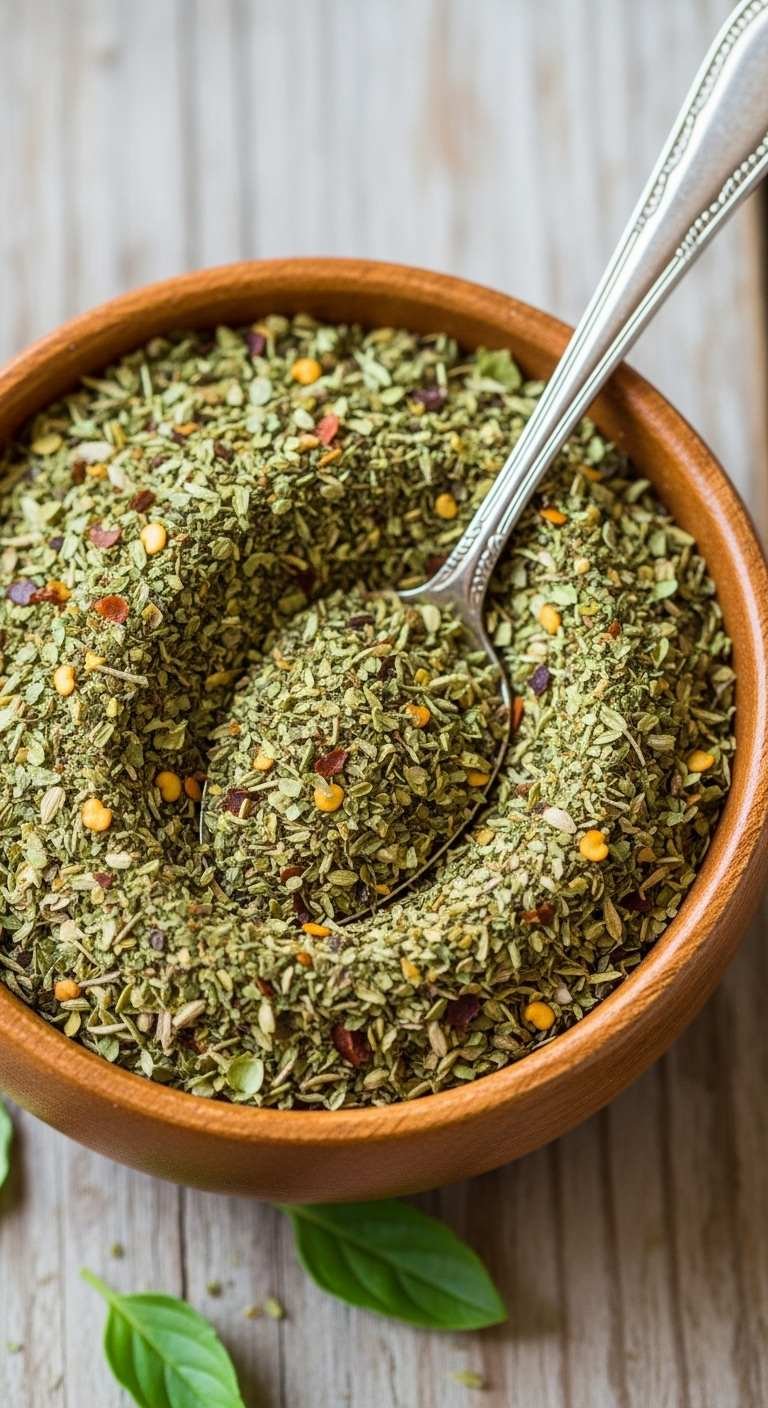
Sure, grabbing a jar from the supermarket is easy. But homemade Italian seasoning offers:
- Freshness: Your spices are vibrant, aromatic, and way more flavorful.
- Control: Adjust the herbs to your taste—more basil, less oregano, or an extra pinch of thyme.
- Versatility: Use it anywhere you’d use store-bought Italian seasoning—pasta, pizza, roasted vegetables, soups, and even chicken or fish.
Plus, it’s fun to mix your own blend. The smell of fresh herbs hitting the kitchen is basically a happiness booster.
Basic Italian Seasoning Recipe
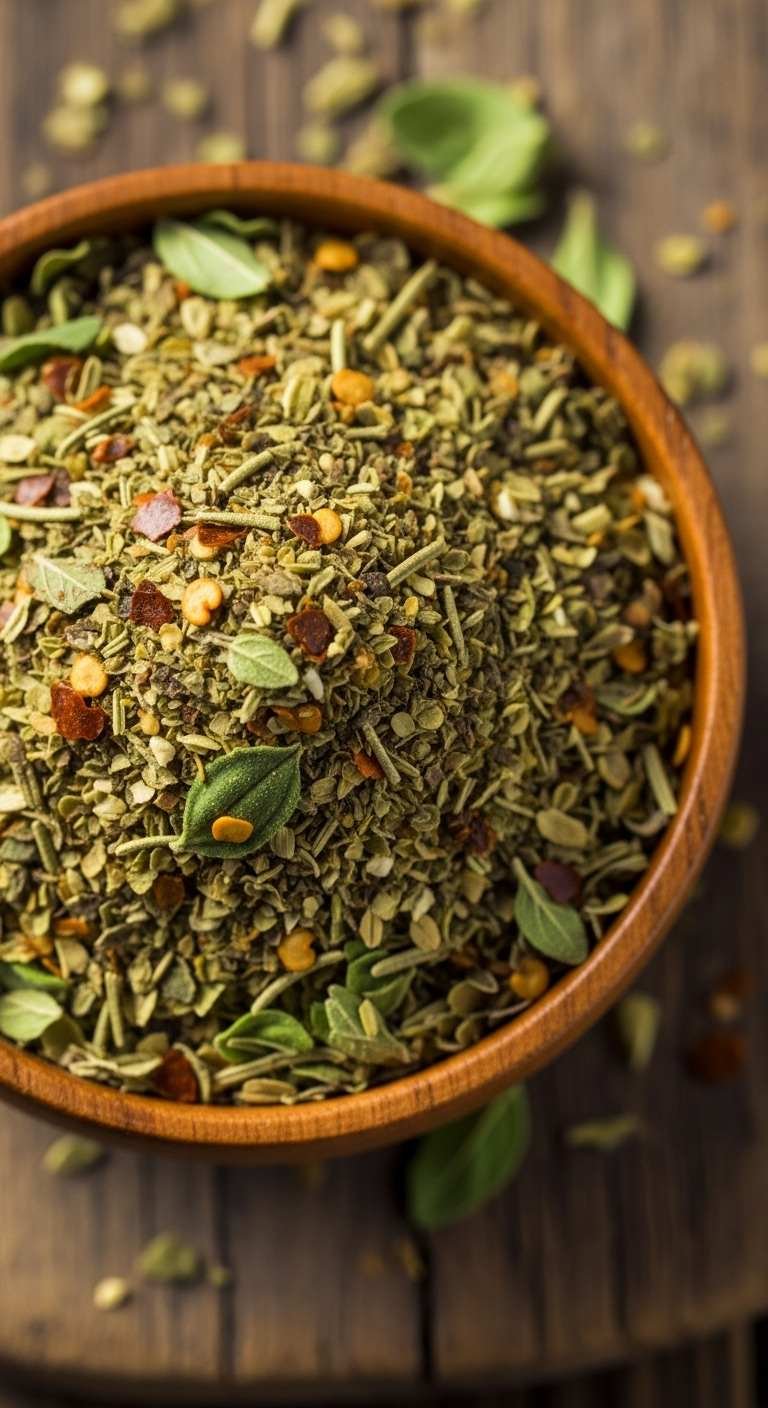
Here’s a classic blend to start with. This mix is balanced, aromatic, and works for almost any Italian-inspired dish.
Ingredients
- 2 tablespoons dried basil
- 2 tablespoons dried oregano
- 2 tablespoons dried parsley
- 1 tablespoon dried thyme
- 1 tablespoon dried rosemary
- 1 teaspoon garlic powder
- 1 teaspoon onion powder
- 1/2 teaspoon crushed red pepper flakes (optional for a little kick)
Step-by-Step Instructions
- Combine all the dried herbs and spices in a small bowl.
- Mix thoroughly until well combined.
- Store in an airtight container or spice jar.
Pro tip: For extra flavor, lightly toast dried herbs in a dry skillet for 30 seconds before mixing. It brings out their natural oils and aroma.
How to Use Italian Seasoning
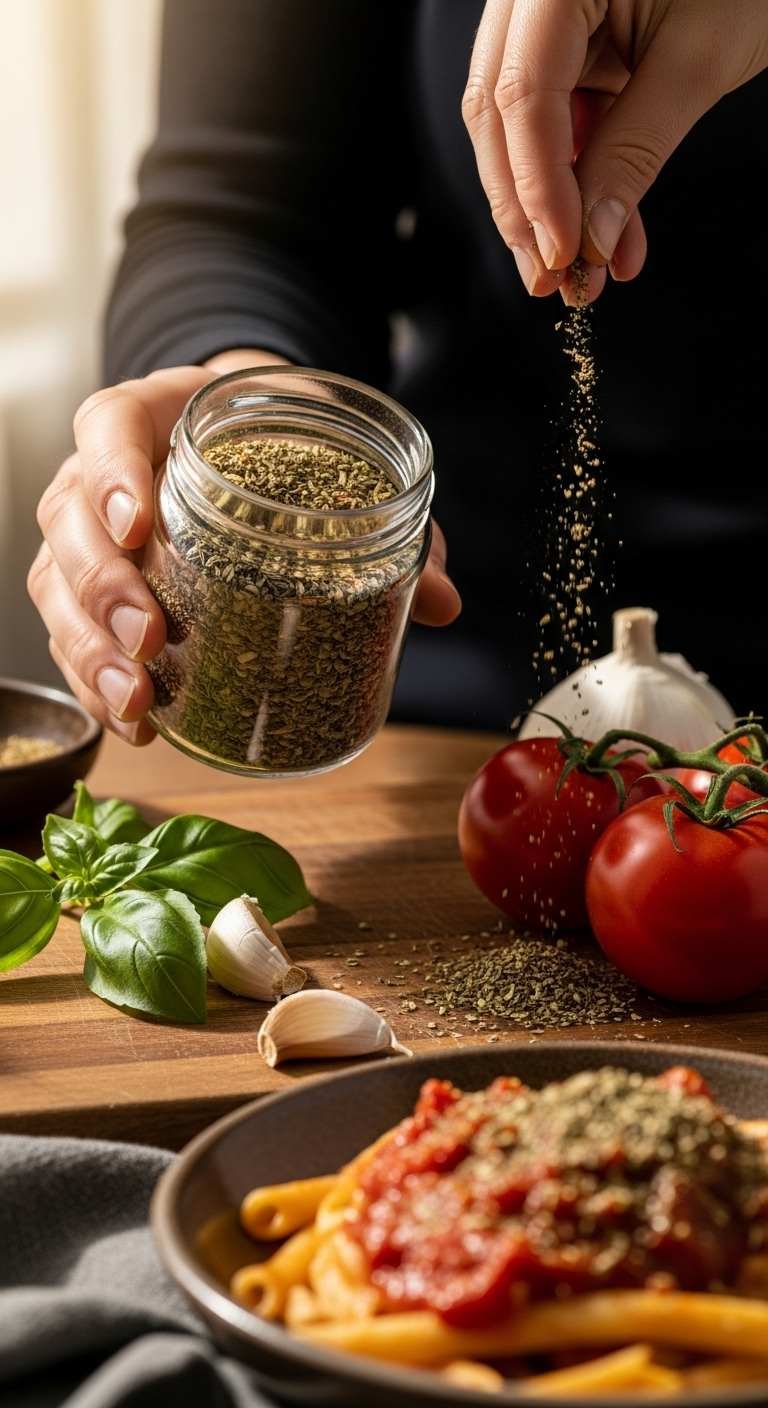
Italian seasoning is incredibly versatile. Here’s how I use mine:
- Pasta sauces: Sprinkle in your homemade tomato sauce for depth and aroma.
- Roasted vegetables: Toss veggies with olive oil and seasoning before roasting for a crispy, flavorful finish.
- Grilled or baked chicken: Coat chicken with a bit of olive oil and Italian seasoning for a simple, tasty meal.
- Soups and stews: Add a teaspoon or two to enhance the flavor profile without extra salt.
IMO, one of the best tricks is to combine Italian seasoning with olive oil and lemon juice as a quick marinade—it works on chicken, shrimp, or even tofu.
Creative Variations
Once you’ve nailed the classic blend, it’s fun to tweak your seasoning to match your taste or the dish you’re making.
1. Garlic-Heavy Italian Seasoning
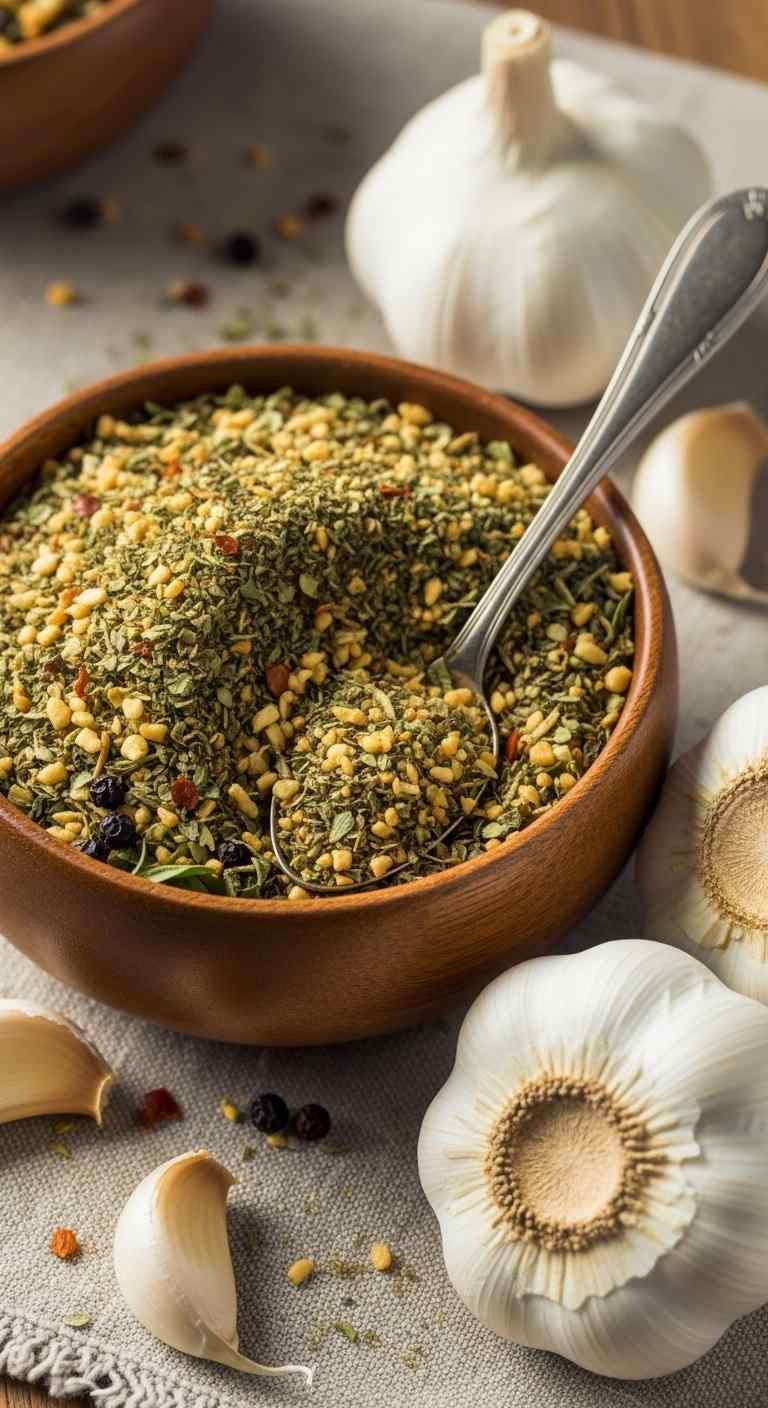
- Add 2 teaspoons garlic powder instead of 1.
- Optional: a pinch of granulated onion.
Perfect for garlic lovers or pasta dishes where you want that extra punch.
2. Herb-Forward Blend
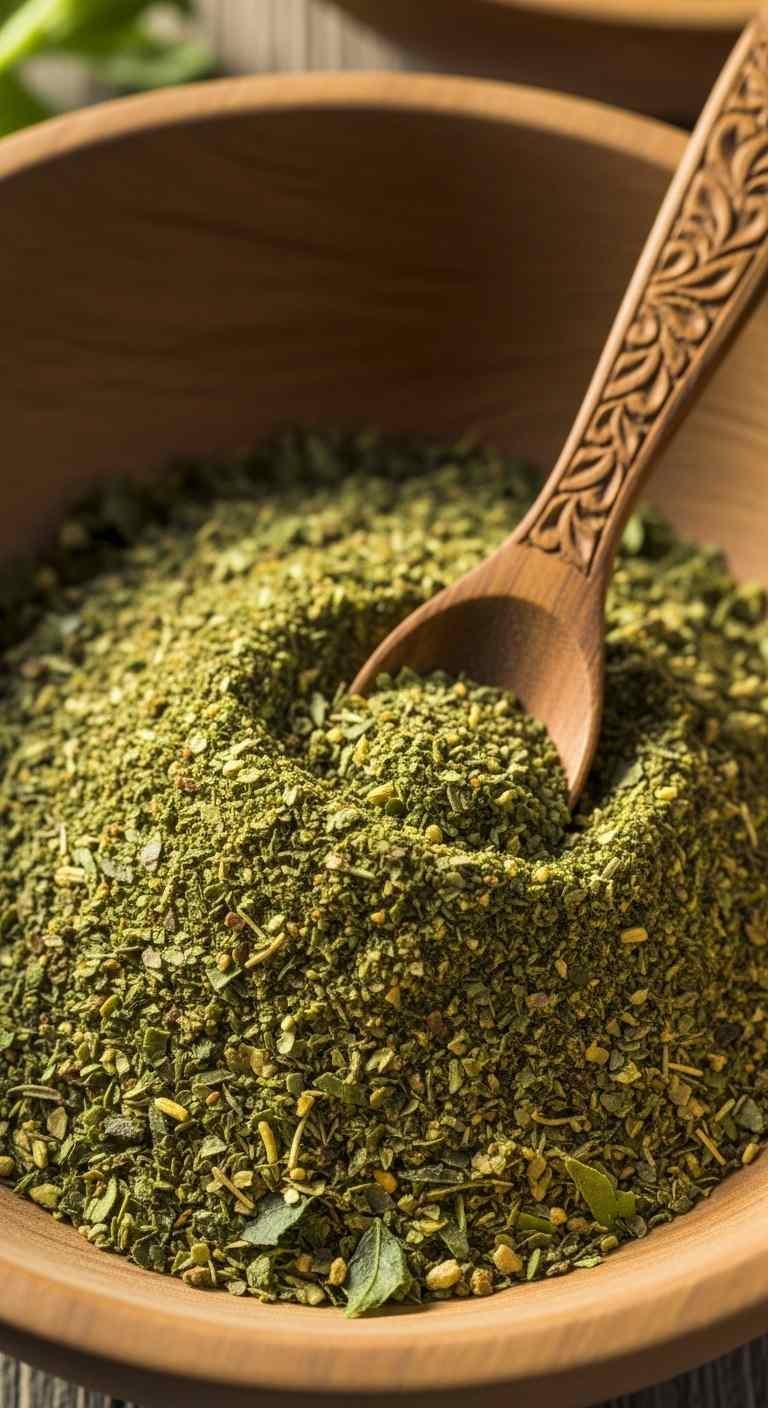
- Increase basil, oregano, and parsley by a tablespoon each.
- Optional: add 1/2 teaspoon fennel seeds for a subtle licorice note.
Great for pizza, lasagna, or homemade bread.
3. Spicy Italian Seasoning
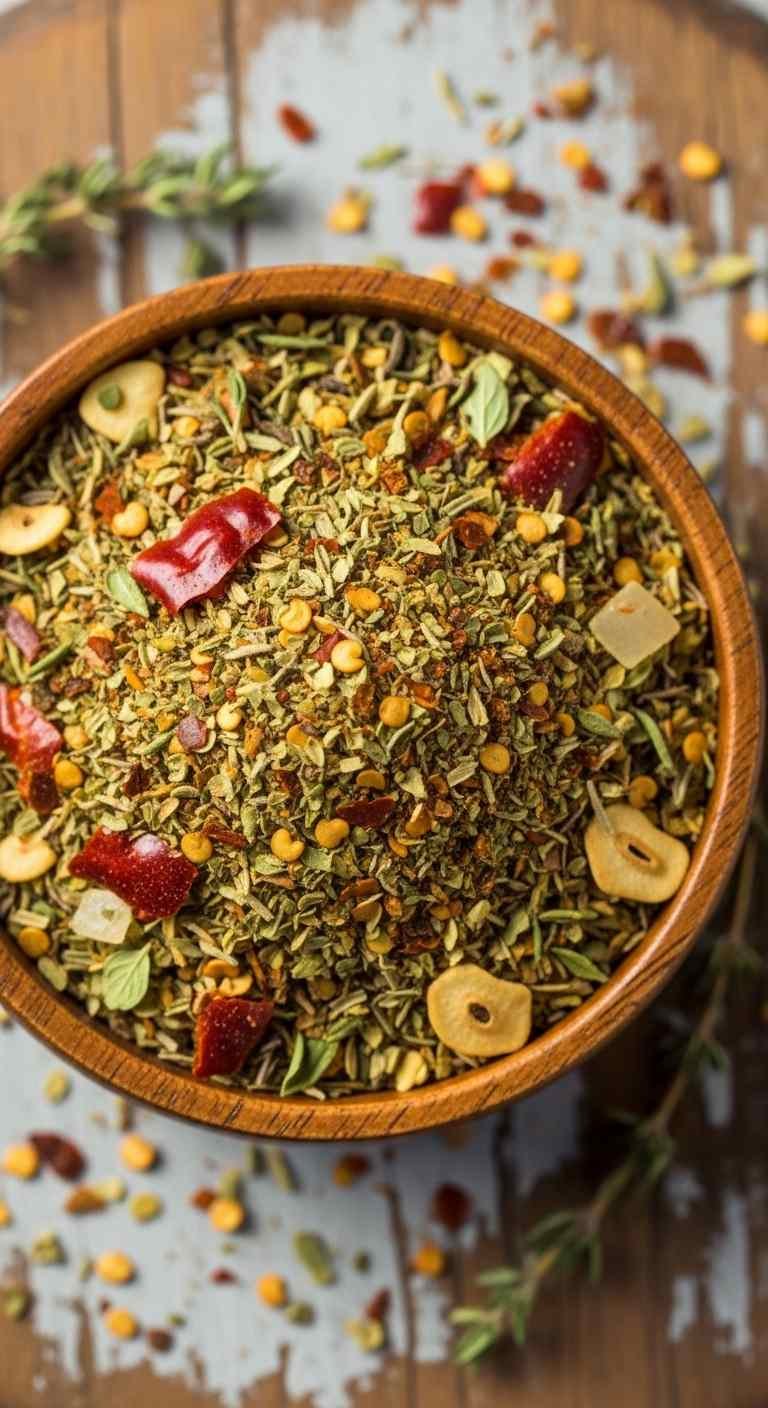
- Keep the classic blend but add 1 teaspoon crushed red pepper flakes.
- Optional: a pinch of cayenne if you like it hot.
Ideal for roasted chicken, meatballs, or zesty tomato sauces.
Tips for Perfect Italian Seasoning
- Use fresh dried herbs: Herbs lose flavor over time. If your spice jar has been sitting for years, it’s time to refresh.
- Store properly: Keep your Italian seasoning in an airtight jar, away from heat and sunlight. It will stay flavorful for about 6 months.
- Blend in bulk: Make a larger batch and store in a glass jar. You’ll save time, and it keeps your spice cabinet looking chic.
- Shake before using: Herbs can settle over time, so a quick shake ensures even flavor.
Quick Italian-Style Meals Using Your Seasoning
Once you have your homemade Italian seasoning, cooking Italian-style meals becomes a breeze. Here are a few quick ideas:
1. Italian Roasted Vegetables
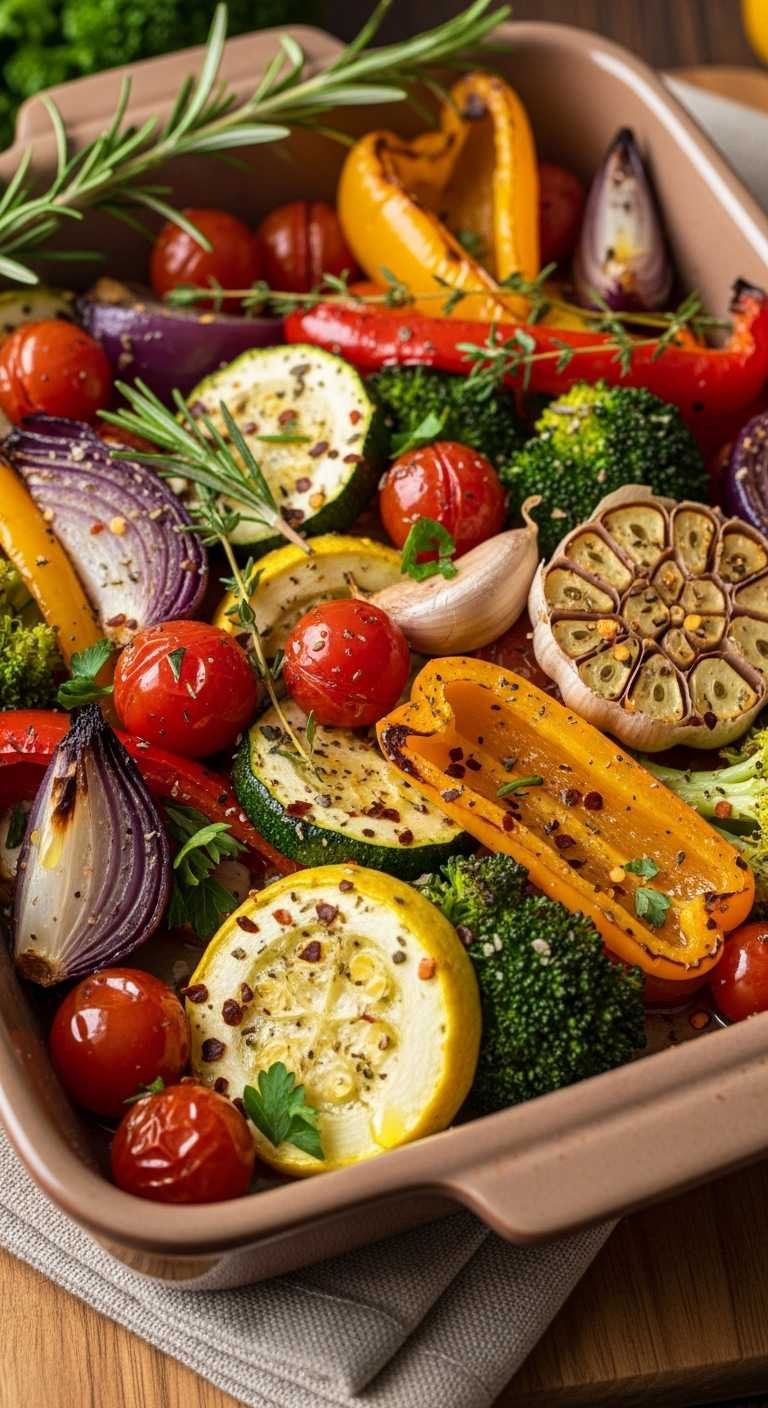
- Toss zucchini, bell peppers, cherry tomatoes, and onions with olive oil and 2 tsp of Italian seasoning.
- Roast at 400°F (200°C) for 20-25 minutes.
- Enjoy as a side dish or toss with pasta for a veggie-packed meal.
2. Italian Chicken Skillet
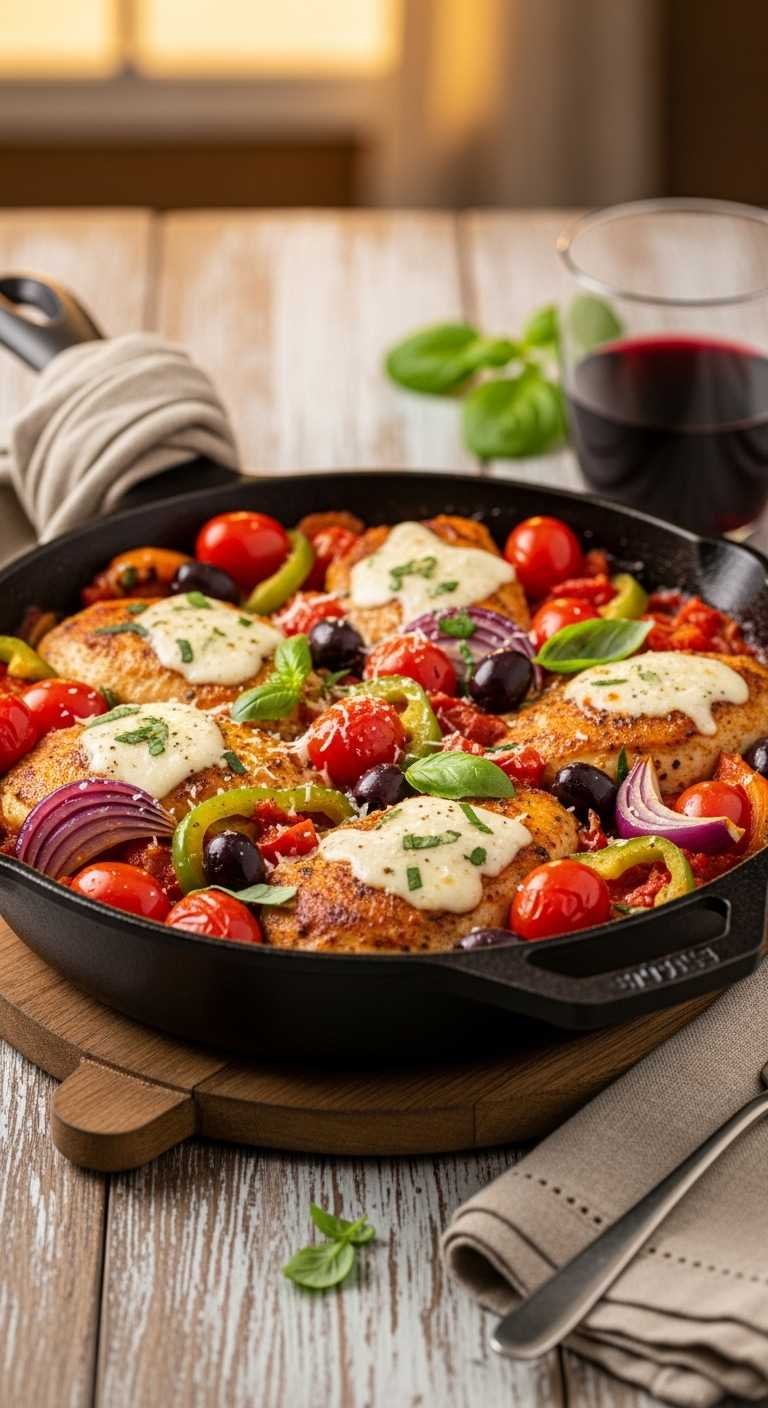
- Sauté chicken breasts with olive oil, salt, and Italian seasoning.
- Add cherry tomatoes and a splash of broth.
- Simmer until chicken is cooked through and sauce is slightly reduced.
3. Italian Seasoning Pasta
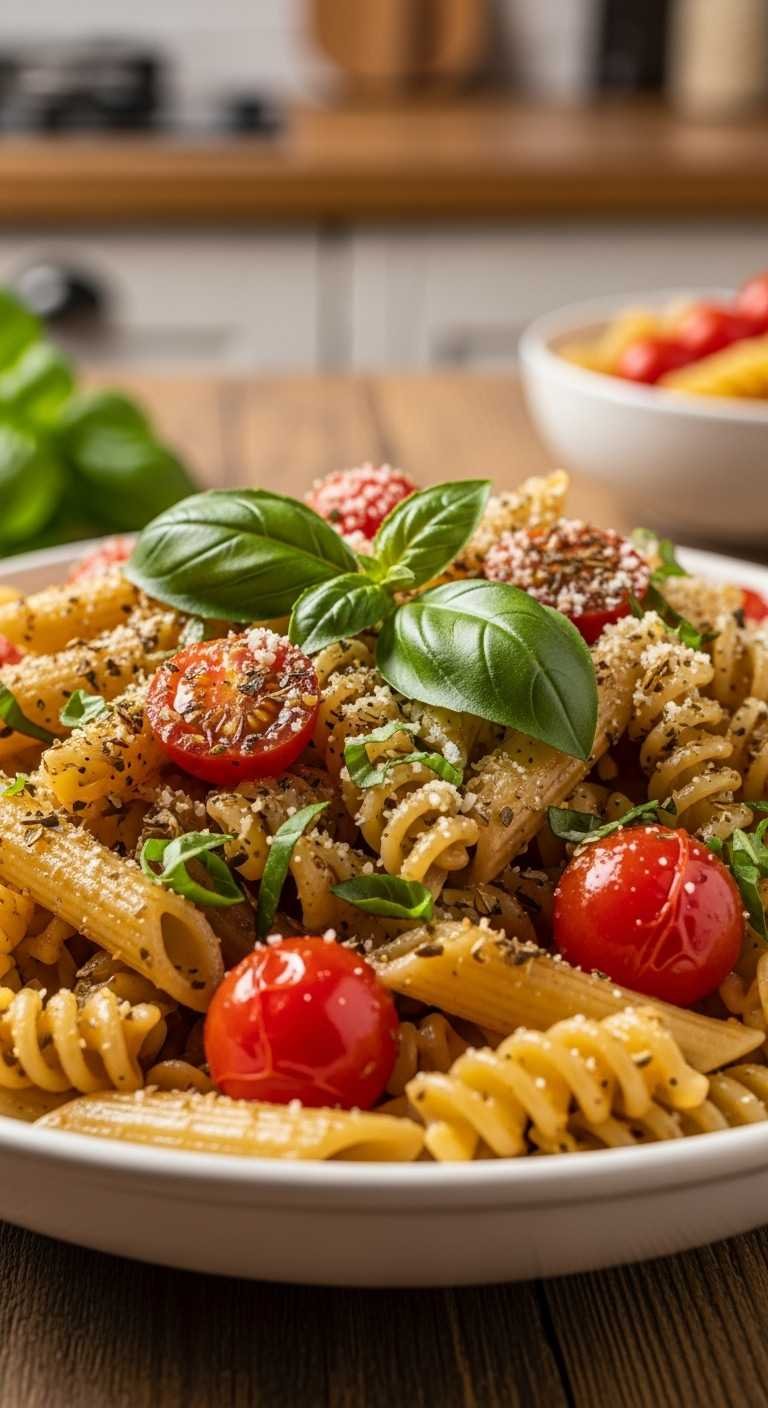
- Boil your favorite pasta.
- In a separate pan, sauté garlic in olive oil, add a pinch of crushed red pepper, and toss with cooked pasta.
- Sprinkle 1–2 tsp of Italian seasoning and finish with parmesan.
Why You’ll Never Buy Store-Bought Seasoning Again
Homemade Italian seasoning has a freshness and complexity that jarred blends just can’t compete with. You can tweak flavors to your liking, skip any preservatives, and feel confident in what you’re adding to your food. Plus, it’s fun! Seriously, there’s a little chef’s joy in shaking your own spice mix over a dish and watching it come to life.
And let’s be honest—once you’ve made your own, even that “classic” pre-made blend in the supermarket just tastes… sad.
Storing Your Italian Seasoning
- Use an airtight container or spice jar.
- Keep in a cool, dry place away from sunlight and heat.
- Freshness lasts about 6 months. After that, the herbs still work, but the aroma and punch may fade.
Pro tip: Label your jar with the date you made it. That way, you’ll know when it’s time to refresh your batch.
Final Thoughts
Knowing how to make Italian seasoning is one of those small kitchen skills that pays off every day. It’s simple, versatile, and gives your meals that “restaurant-quality” flavor without complicated techniques. From pasta sauces and roasted veggies to chicken, soups, and even marinades, this spice mix is a total game-changer.
Once you start making your own, you’ll wonder why you ever bought the store-bought stuff. Fresh, customizable, and easy—it’s basically magic in a jar. So grab your dried herbs, mix them together, and elevate every meal with a sprinkle of homemade Italian seasoning.


