
Chimichurri Sauce: Green Thunder on Your Plate
Chimichurri is basically Argentina’s green thunderstorm on a plate.
Fresh herbs, zippy lemon, and a kick of garlic—all dressed up and ready to dunk, drizzle, or smother.
You’re about to meet a sauce that makes every bite feel like a victory lap.
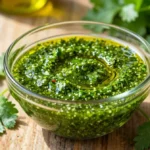
Chimichurri Sauce: Green Thunder on Your Plate
Ingredients
- 1 cup fresh parsley, finely chopped
- 1/2 cup fresh cilantro (optional but not a crime if you skip it)
- 2-3 cloves garlic, minced
- 2 tbsp red wine vinegar (or lemon juice if you’re not into winey vibes)
- 1/2 cup olive oil
- 1 tsp dried oregano
- 1/2 tsp red pepper flakes (adjust to your heat meter)
- Salt and pepper to taste
- Juice of 1/2 lemon (optional for extra zing)
Instructions
- Chop the parsley (and cilantro if using) finely. The more you chop, the more punch you get—no one likes a wilted flavor surprise.
- Mince the garlic and toss it in a bowl with the herbs. If you slip with a clove, no big deal—garlic is forgiving
- Stir in red wine vinegar, lemon juice (if using), oregano, and red pepper flakes. Give it a quick whisk to mingle the personalities.
- Slowly drizzle in olive oil while whisking. The goal is a glossy, cohesive sauce, not a salad dressing that separates at the sight of a fork.
- Season with salt and pepper. Taste and adjust; you’re aiming for bright, not brash.
- Let it rest for at least 10 minutes if possible. This gives the flavors a chance to become best friends.
Why This Recipe is Awesome
Chimichurri is idiot-proof, even I didn’t mess it up. It’s a flavor quadfecta: bright, herby, garlicky, and a touch of heat.
It wakes up grilled veggies, shines on steak, and somehow makes bland chicken feel alive.
Quick to whisk, easy to scale, and impossible to screw up—what more could you want?
Ingredients You’ll Need
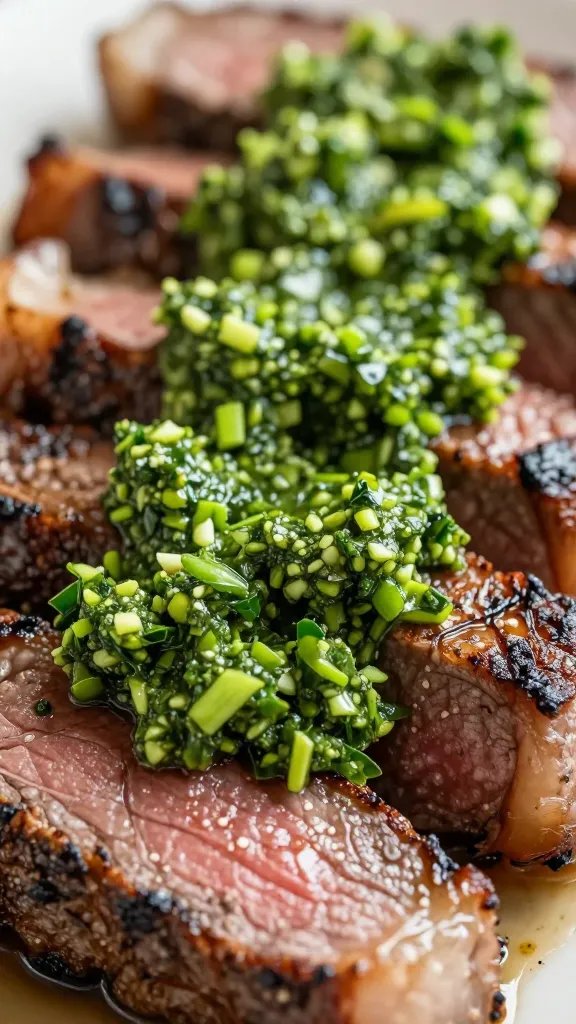
- 1 cup fresh parsley, finely chopped
- 1/2 cup fresh cilantro (optional but not a crime if you skip it)
- 2-3 cloves garlic, minced
- 2 tablespoons red wine vinegar (or lemon juice if you’re not into winey vibes)
- 1/2 cup olive oil
- 1 teaspoon dried oregano
- 1/2 teaspoon red pepper flakes (adjust to your heat meter)
- Salt and pepper to taste
- Juice of 1/2 lemon (optional for extra zing)
Step-by-Step Instructions
- Chop the parsley (and cilantro if using) finely. The more you chop, the more punch you get—no one likes a wilted flavor surprise.
- Mince the garlic and toss it in a bowl with the herbs. If you slip with a clove, no big deal—garlic is forgiving.
- Stir in red wine vinegar, lemon juice (if using), oregano, and red pepper flakes. Give it a quick whisk to mingle the personalities.
- Slowly drizzle in olive oil while whisking. The goal is a glossy, cohesive sauce, not a salad dressing that separates at the sight of a fork.
- Season with salt and pepper. Taste and adjust; you’re aiming for bright, not brash.
- Let it rest for at least 10 minutes if possible. This gives the flavors a chance to become best friends.
How to Serve
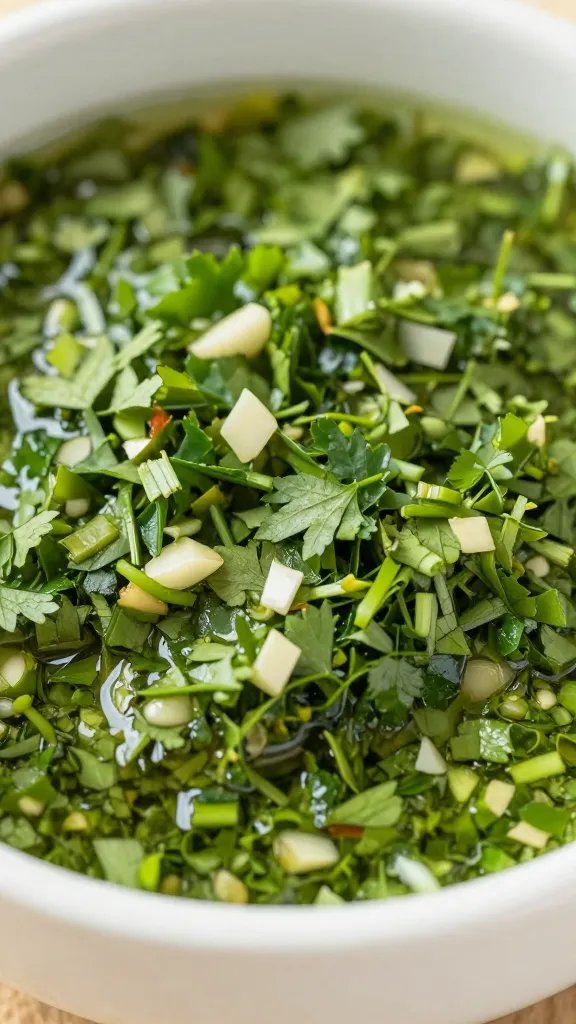
Chimichurri is the versatile hype-man of your kitchen. Spoon it over grilled steak, drip it over roasted vegetables, or give your chicken a green-red kiss of life. It also works wonders as a tart, zippy marinade for quick-cooked shrimp or tofu. For serving ideas:
- Drizzle over hot grilled flank steak with a squeeze of fresh lemon.
- Dip crusty bread into a pool of chimichurri—instant party starter.
- Pile onto roasted potatoes or a simple quinoa bowl for a brighter bite.
- Pair with a sparkling water and lime for a light, refreshing lunch on a sunny day.
Approximate Nutrition Facts per Serving
Per serving (approximate, because we live in reality):
- Calories: about 120-150
- Carbohydrates: 3-6 g
- Protein: 1-2 g
- Fat: 12-14 g
- Fiber: 1-2 g
- Sugar: 0-1 g
Yes, it’s a sauce with personality and a respectable fat content because olive oil is basically a superhero.
Common Mistakes
- Overcooking herbs. They’re best when fresh and vibrant, not dull and shriveled.
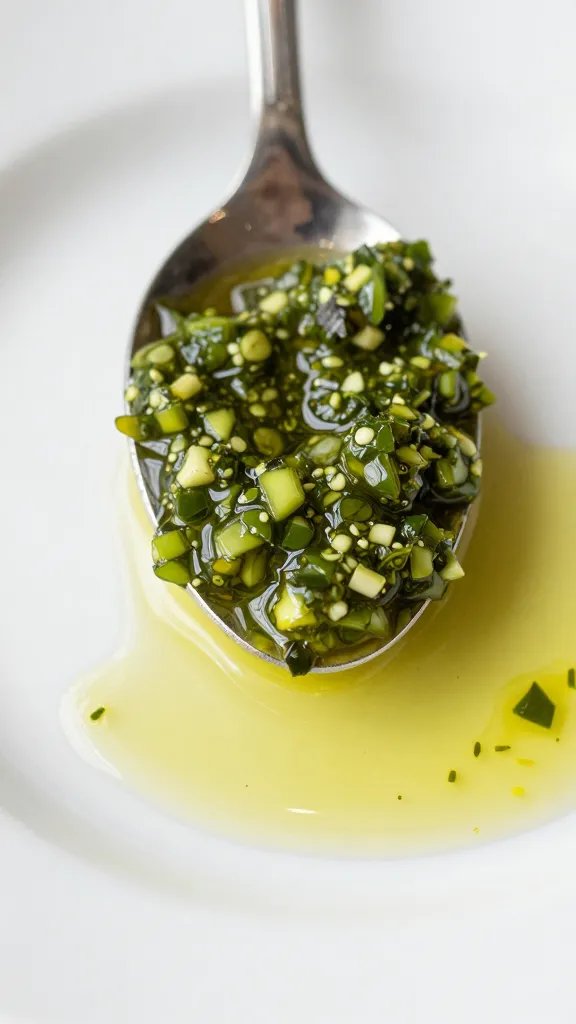
- Dumping all oil in at once. Slow drizzle plus whisking keeps it emulsified and ranch-dreamy.
- Using dull garlic. Fresh, sharp cloves make all the difference; old garlic tastes like it forgot its roots.
- Not balancing tang. Too little vinegar or lemon makes it flat; too much, and it blasts your palate. Taste as you go.
Simple Alternatives or Ingredient Substitutions
Want to mix it up without losing the vibe? Here are easy swaps:
- Herbs: Use basil or mint for a lighter, punchy twist. Cilantro is optional but adds brightness for some folks.
- Acid: Swap lemon juice for lime juice or a splash of red wine vinegar for a different tangy note.
- Oil: Avocado oil works nicely if you’re avoiding strong olive flavors, but olive oil keeps that traditional character.
- Heat: If you’re heat-averse, cut the red pepper flakes in half or omit entirely.
Conclusion
Chimichurri isn’t just a sauce—it’s a celebration in a bowl. It upgrades meat, greens, and even plain rice with a single, confident pour.
Keep a jar in the fridge, and your weeknight dinners suddenly feel like a grill-side fiesta.
FAQ
Can I make chimichurri ahead of time?
Yes. It benefits from a short chill to let flavors mingle, but it’s best fresh for the brightness. If you need to save time, you can whip it up the night before and store in the fridge, but give it a quick stir before serving.
How long does chimichurri last?
Typically 2-3 days in the fridge when stored in an airtight container. Oil may separate—just whisk or shake gently before using.
Is chimichurri spicy?
It can be, depending on how you adjust the red pepper flakes. Start conservative, then kick it up if you’re feeling rebellious.
What’s the best protein to pair with chimichurri?
Steak is the classic, but it plays nicely with chicken, fish, tofu, or roasted vegetables. The sauce is a flavor booster, whatever you’re grilling or roasting.
Can I use dried herbs?
Fresh herbs deliver that vibrant, punchy profile. Dried can work in a pinch, but you’ll lose some brightness. If you must, reduce the amount and extend the marinating time a tad.
Is there a vegetarian version?
Absolutely. Use it as a salad topping, veggie dipping sauce, or spoon it over grilled mushrooms or tempeh. The herby zing shines through just fine without meat.


