
Thai Fermented Fish Sauce: Umami Punch for Any Dish
Thai fermented fish sauce: yes, it’s a thing, and yes, it’s surprisingly delicious when used right.
This isn’t a mystery ingredient you sneak into every dish—it’s the bold, umami kick that makes Thai cooking sing.
If you’ve ever wondered why Thai soups and salads taste so bright and salty without shouting, this is part of the magic.
Let’s dive in and keep the drama on the plate, not in the kitchen.

Thai Fermented Fish Sauce: Umami Punch for Any Dish
Ingredients
- Thai fish sauce (nam pla) — the star of the show
- Fresh lime juice — for zing
- Palm sugar or brown sugar — balancing sweetness
- Rice vinegar (optional) — a little tanginess if you like
- Kosher salt — enhances everything
- Chili flakes or fresh chilies (to taste) — for heat
- Garlic (minced) — subtle bite
- Fresh herbs (cilantro or Thai basil, optional) — for freshness
Instructions
- Measure out your base. Start with fish sauce, lime juice, a touch of sugar, and a pinch of salt. You want a balance that won’t punch you in the face.
- Whisk or stir until the sugar dissolves. Don’t skip this—undissolved sugar is not a vibe.
- Add chili and garlic. If you’re heat-averse, go easy—you can always lift the spice later.
- Taste and adjust. If it’s too salty, a splash of water or more lime juice can fix it. If it’s bland, add a bit more sugar or fish sauce—your call.
- Optional: stir in a splash of rice vinegar for a little brightness. This isn’t mandatory, but it brightens the whole profile.
- Finish with herbs if you’re feeling fancy. Chop them roughly and fold in for color and aroma.
Why This Recipe is Awesome
This recipe is a flavor power-up without the fuss. It brings depth, brightness, and a touch of briney character that rounds out spicy, sour, and sweet elements like a pro.
It’s versatile enough to lift dressings, marinades, and dipping sauces.
It’s idiot-proof, even I didn’t mess it up the first time. In short: it’s a pantry hero that shows up when you need it most.
Ingredients You’ll Need
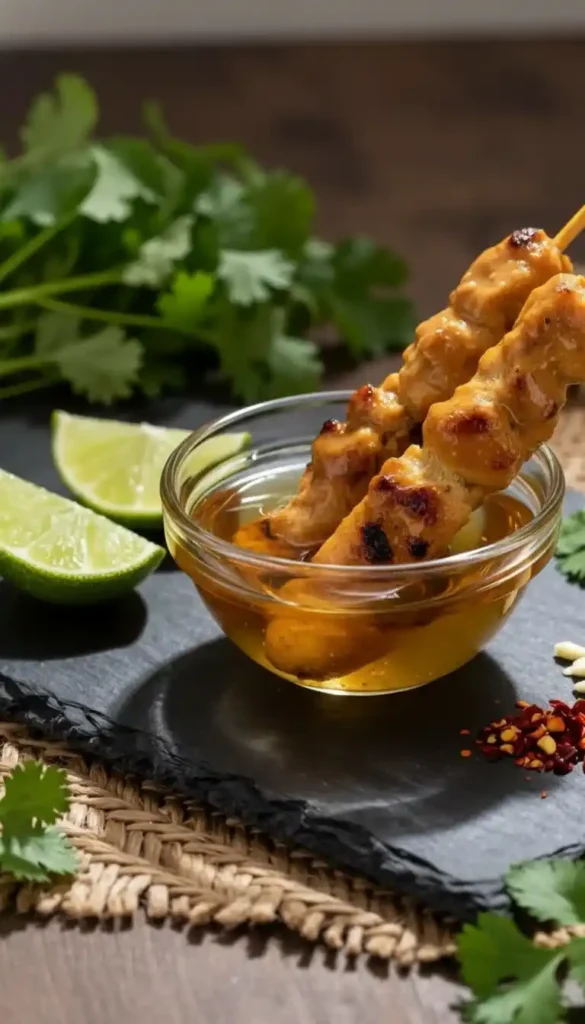
- Thai fish sauce (nam pla) — the star of the show
- Fresh lime juice — for zing
- Palm sugar or brown sugar — balancing sweetness
- Rice vinegar (optional) — a little tanginess if you like
- Kosher salt — enhances everything
- Chili flakes or fresh chilies (to taste) — for heat
- Garlic (minced) — subtle bite
- Fresh herbs (cilantro or Thai basil, optional) — for freshness
Step-by-Step Instructions
- Measure out your base. Start with fish sauce, lime juice, a touch of sugar, and a pinch of salt. You want a balance that won’t punch you in the face.
- Whisk or stir until the sugar dissolves. Don’t skip this—undissolved sugar is not a vibe.
- Add chili and garlic. If you’re heat-averse, go easy—you can always lift the spice later.
- Taste and adjust. If it’s too salty, a splash of water or more lime juice can fix it. If it’s bland, add a bit more sugar or fish sauce—your call.
- Optional: stir in a splash of rice vinegar for a little brightness. This isn’t mandatory, but it brightens the whole profile.
- Finish with herbs if you’re feeling fancy. Chop them roughly and fold in for color and aroma.
How to Serve
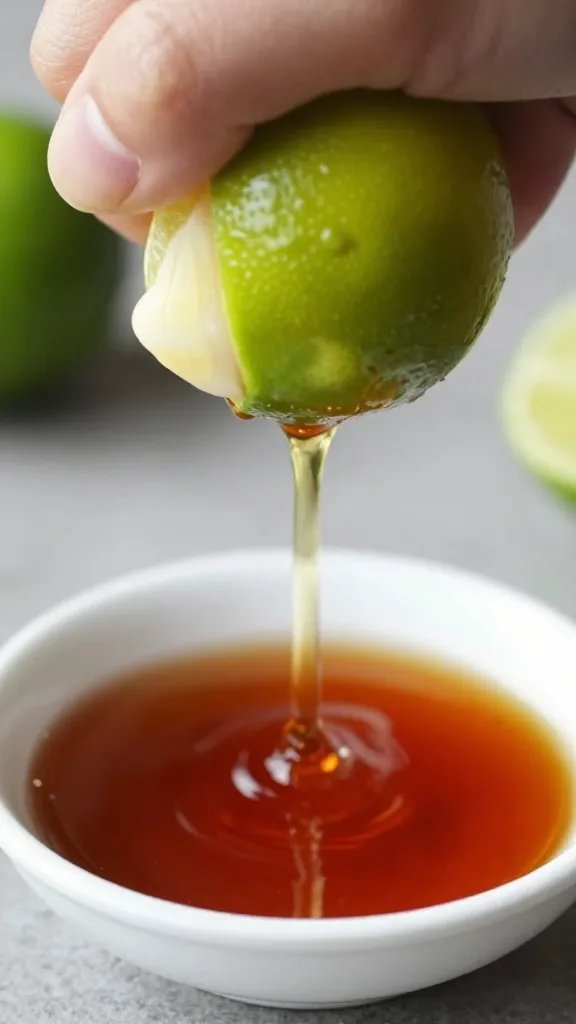
Thai-flavored fish sauce works wonders as a dressing for green papaya salad, a zingy dip for fresh veggies, or a punchy marinade for grilled chicken or shrimp. Here are a few ideas:
– Use it as a salad dressing by whisking with a bit more lime juice and a touch of sesame oil. Pour over shredded green papaya or cucumber salad for that iconic Thai brightness.
– Drizzle over grilled vegetables or tofu—watch the flavor bloom like a sunset.
– Mix into a simple dipping sauce with coconut milk and a hint of sugar for a quick Thai-inspired dip for spring rolls.
– Splash a small amount into soups or noodle bowls to lift the overall taste without overpowering the main ingredients.
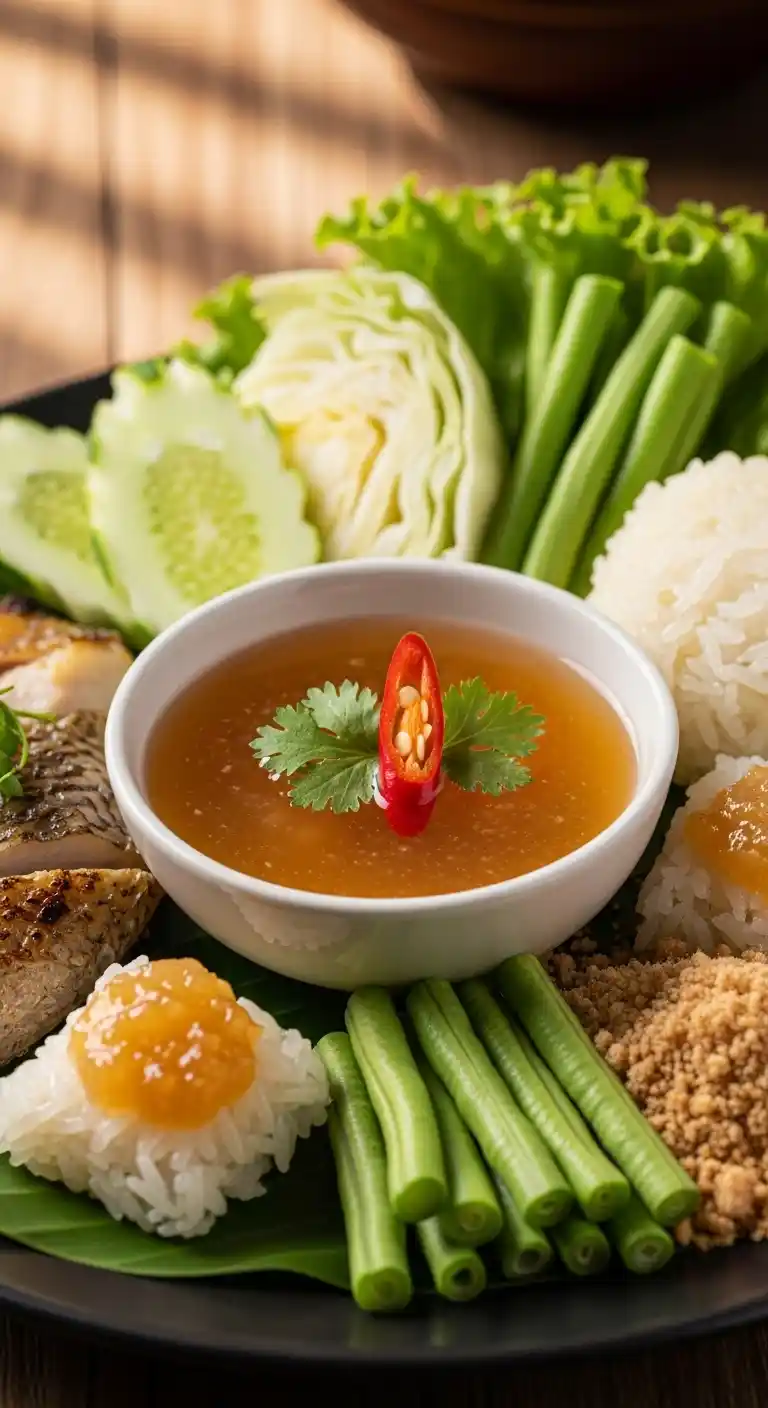
Presentation tips: a tiny bowl of the sauce on the side, garnished with a wedge of lime and a scatter of chopped cilantro, instantly elevates the plate. It says, “I’m simple, but I know what I’m doing.”
Approximate Nutrition Facts per Serving
Per serving (approximate, because we live in reality):
– Calories: about 20–60 (depends on sugar and dilution)
– Carbohydrates: 4–8 g
– Protein: 1–2 g
– Fat: 0 g
– Fiber: 0 g
– Sugar: 2–5 g
Note: These estimates assume a modest amount used as a dressing or dip. If you’re caking it on like a glaze, the numbers shift. It’s real life chemistry, folks.
Common Mistakes (and How to Avoid Them)

- Over-salting: Fish sauce is potent. Start with less, then taste and adjust. You can always add more, you can’t un-salt it.
- Ignoring balance: If you go heavy on salt, your lime and sugar must fight back. Taste as you go.
- Sticky texture: If sugar doesn’t dissolve, give it more stirring or warm it slightly to dissolve—nobody wants gritty dressing.
- Using fake substitutes: Don’t swap fish sauce with soy sauce in Thai recipes unless you’re prepared for a very different result.
- Skipping heat: A little chili makes the magic. No heat, no drama—just meh.
Simple Substitutions and Variations
– If you don’t have palm sugar, brown sugar or honey works, though palm sugar adds a distinct caramel note.
– For a milder version, use less fish sauce and more lime juice.
– Want a vegetarian-friendly option? Use mushroom sauce or soy as a base, then add lime juice and sugar to brighten. It won’t be exactly the same, but it’ll still taste like adventure.
Conclusion
Thai fermented fish sauce isn’t just a condiment; it’s a passport stamp for your taste buds.
A little goes a long way, and done right, it brings brightness, depth, and a whisper of the ocean to your plate.
Keep it on hand, play with balance, and surprise yourself with how a few drops can transform an everyday dish into something memorable.
FAQ
Is Thai fish sauce safe to consume raw?
Paragraph: Yes. It’s traditionally used raw in dressings, dips, and sauces. It’s a powerhouse of umami, and when balanced with lime and sugar, it’s perfectly pleasant to sip on the tongue in small amounts as part of a dish.
How long does it keep?
Paragraph: If stored in a cool, dark place or in the fridge, it lasts quite a while—months, not hours. The flavor might mellow a bit over time, which isn’t a bad thing.
What dishes pair best with this sauce?
Paragraph: It shines in salads, grilled proteins, noodles, and veggie dips. Think Thai-inspired dressings for papaya salad, or a splash into a hot soup to lift the flavor.
Can I adjust the heat?
Paragraph: Absolutely. Start with a small amount of chili and increase to taste. It’s easier to add more heat later than try to mellow over-spice after you’ve gone too far.
What’s the best way to measure sweetness?
Paragraph: Taste as you go. Start with a small amount of sugar and adjust toward your preferred sweetness. The goal is a balanced tang, salty, and sweet that doesn’t shout.
Can I use a substitute for fish sauce?
Paragraph: If you’re avoiding seafood, you can try a mushroom-based sauce or soy sauce blended with a touch of lime and sugar. The flavor will be different, but you’ll still get that salty, tangy kick.


