
Rib Rack Barbecue Sauce: Sticky Victory for Your Plate
A good rib rack barbecue sauce should taste like a victory lap for your taste buds. It sticks to ribs the way a confident handshake sticks in memory. You want something bold, sticky, and a little cheeky? You’ve found it.
Rib Rack Barbecue Sauce: Sticky Victory for Your Plate
Ingredients
- 2 cups ketchup (the base you can trust)
- 1 cup apple cider vinegar (the zing that wakes up the party)
- 1/4 cup molasses or brown sugar (sweet, but not shy)
- 2 tbsp Worcestershire sauce (yes, we’re adults)
- 1 tbsp yellow mustard (for a little bite)
- 1 tsp smoked paprika (smoke without the actual grill smell in the house)
- 1/2 tsp garlic powder (because garlic is a friend, not an intruder)
- 1/2 tsp onion powder
- 1/2 tsp cayenne or hot sauce (adjust to your heat tolerance)< Salt and pepper to taste
- optional a splash of orange juice for brightness
Instructions
- Measure out all your ingredients. Mise en place, people — even your sauce deserves a tidy life.
- Dump ketchup, vinegar, molasses, and Worcestershire into a saucepan. Stir until it looks like a uniform, glossy decision.
- Add mustard, smoked paprika, garlic powder, onion powder, cayenne, salt, and pepper. Whisk to combine. Don’t overthink it; you’re building flavor, not writing a novel.
- Bring to a gentle simmer over medium heat. Don’t boil like a drama queen; you want calm, steady bubbles.
- Reduce heat to low and simmer 15–20 minutes, stirring occasionally. The sauce will thicken and cling to the spoon — that’s your cue.
- Taste and adjust. If it needs sweetness, splash in a bit more molasses; if it’s too sharp, a touch more sugar. If it’s too hot, calm it with a pinch more salt. You’ve got this.
- Cool slightly before glazing ribs. If you’re not using it right away, store in a sealed container in the fridge for up to a week.
Why This Recipe is Awesome
This sauce is the whole vibe: rich, tangy, and shiny enough to blind a friend who squints at their plate.
It clings to meat without turning to a gummy mess. It’s idiot-proof, even I didn’t mess it up.
Plus, it rides the line between sweet and smoky so you don’t have to choose sides like some kind of culinary diplomat.
Ingredients You’ll Need
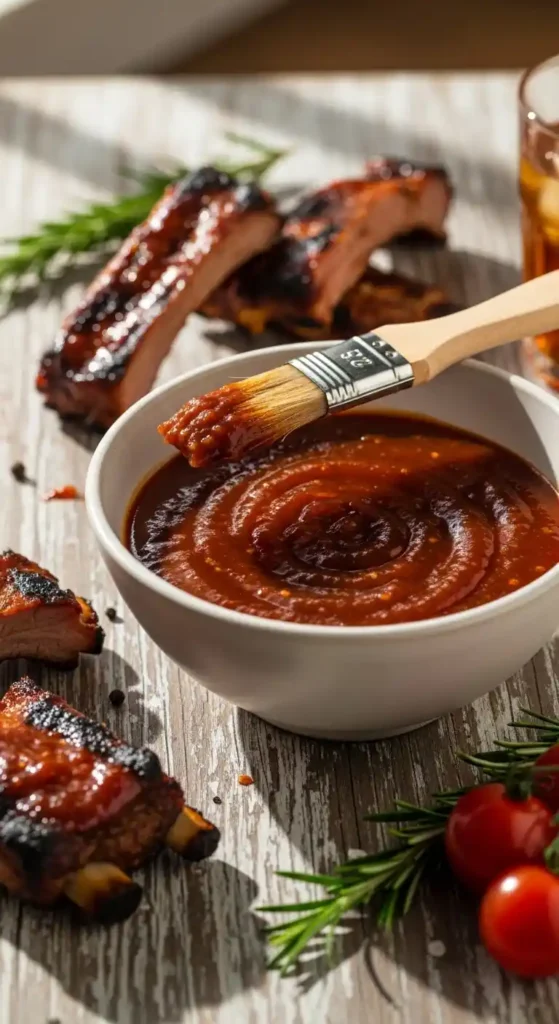
- 2 cups ketchup (the base you can trust)
- 1/2 cup apple cider vinegar (the zing that wakes up the party)
- 1/4 cup molasses or brown sugar (sweet, but not shy)
- 2 tablespoons Worcestershire sauce (yes, we’re adults)
- 1 tablespoon yellow mustard (for a little bite)
- 1 teaspoon smoked paprika (smoke without the actual grill smell in the house)
- 1/2 teaspoon garlic powder (because garlic is a friend, not an intruder)
- 1/2 teaspoon onion powder
- 1/4 teaspoon cayenne or hot sauce (adjust to your heat tolerance)
- < Salt and pepper to taste
- Optional: a splash of orange juice for brightness
Step-by-Step Instructions
- Measure out all your ingredients. Mise en place, people — even your sauce deserves a tidy life.
- Dump ketchup, vinegar, molasses, and Worcestershire into a saucepan. Stir until it looks like a uniform, glossy decision.
- Add mustard, smoked paprika, garlic powder, onion powder, cayenne, salt, and pepper. Whisk to combine. Don’t overthink it; you’re building flavor, not writing a novel.
- Bring to a gentle simmer over medium heat. Don’t boil like a drama queen; you want calm, steady bubbles.
- Reduce heat to low and simmer 15–20 minutes, stirring occasionally. The sauce will thicken and cling to the spoon — that’s your cue.
- Taste and adjust. If it needs sweetness, splash in a bit more molasses; if it’s too sharp, a touch more sugar. If it’s too hot, calm it with a pinch more salt. You’ve got this.
- Cool slightly before glazing ribs. If you’re not using it right away, store in a sealed container in the fridge for up to a week.
How to Serve
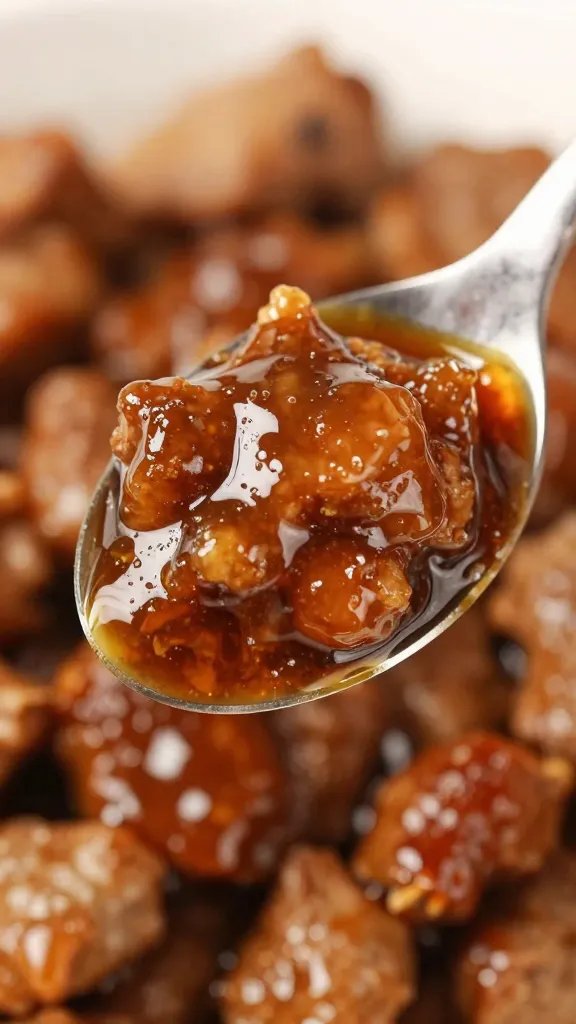
– Brush generous coats onto freshly grilled or smoked ribs. Repeat every few minutes for that glossy, lacquered look.
– Slice ribs between the bones for perfect presentation, then dazzle guests with a little sauce on the side for dipping.
– Plate with simple sides: wedges, coleslaw, and corn on the cob. A squeeze of lemon over greens keeps things lively.
– For a casual vibe, serve with napkins that have your face on them or with a tart pickle spear on the side. Your guests will thank you for the drama.
– Drink pairing? Go with iced tea, sparkling citrus mocktails, or a cold soda. No need to overthink it—this sauce plays nice with most things.
Nutrition Facts (approximate per serving)
Per serving (approximate, because we live in reality):
– Calories: 120–160
– Carbohydrates: 30–35 g
– Protein: 1–2 g
– Fat: 0–1 g
– Fiber: 1–2 g
– Sugar: 20–26 g
Note: Values vary with exact brands and portion size. If you’re counting macros, you know the drill. It’s a sauce; enjoy the flavor, not a spreadsheet headache.
Common Mistakes
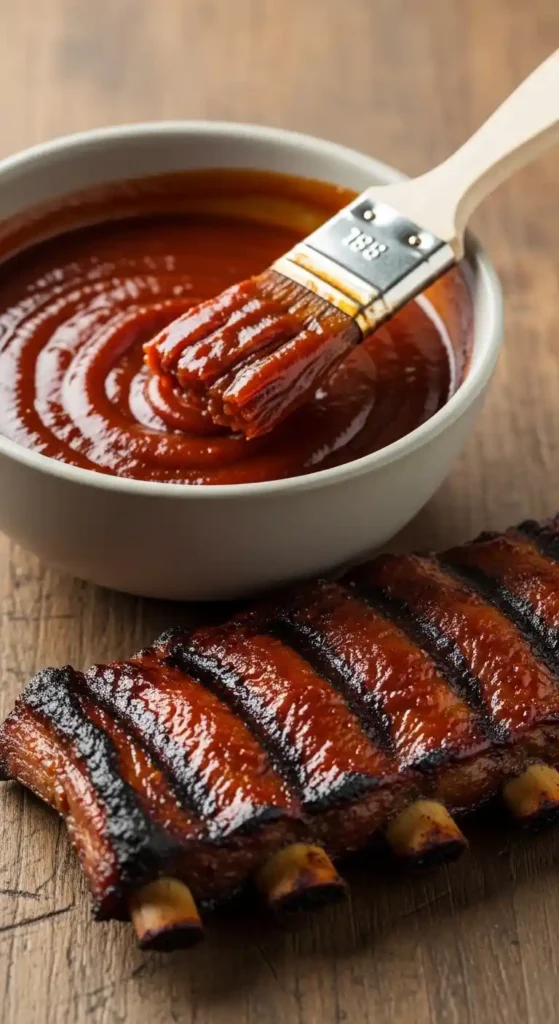
– Skipping the simmer. You want depth, not raw-taste sauce that reminds you of ketchup from a bottle.
– Not preheating the grill or oven. Temperature control is your friend; a hot start makes glossy ribs, not charred hockey pucks.
– Adding too much vinegar without balancing sweetness. Your tongue will revolt.
– Forgetting to taste. You’re not a magician; you’re a cook who should know what’s in the pot.
– Not letting the sauce rest after simmering. Resting allows flavors to meld, just like a good playlist.
Simple Substitutions
– Ketchup: If you’re out, use tomato sauce plus a pinch of sugar and a splash of vinegar, but expect a different vibe.
– Molasses: Brown sugar works, but molasses gives that deeper backbone. If you’re in a pinch, dark honey can work for a lighter sweetness.
– Mustard: Dijon is a fine swap for extra tang, or skip if you’re not into it.
– Smoked paprika: If you don’t have it, regular paprika plus a drop of liquid smoke (a tiny amount) can simulate the vibe.
– Cayenne: Use chili powder or crushed red pepper flakes for heat, adjusting to your tolerance.
– Orange juice: A splash is optional, but it brightens the glaze nicely if you want a citrus edge.
Conclusion
Rib rack barbecue sauce isn’t just a condiment; it’s a flavor upgrade that makes everything from ribs to leftover fries feel special.
It’s bold, a little sweet, and just enough heat to keep things interesting.
Your ribs will thank you with every glossy bite, and your friends will start asking for the recipe like it’s a secret handshake.
FAQ
Is this sauce suitable for grilling, smoking, or both?
Yes. It shines whether you’re finishing on a grill or a smoker. Apply during the last 10–15 minutes of cooking, then glaze again for that lacquered finish.
Can I make this sauce ahead of time?
Absolutely. It benefits from a day or two in the fridge so the flavors can mingle. Just give it a quick stir before using.
What if I don’t have all the spices?
You can still make a great sauce with the basics (ketchup, vinegar, sugar). Substitutions may shift the flavor slightly, but you’ll still end up with a tasty glaze.
How long does the sauce keep?
Store in an airtight container in the fridge for up to a week. If you’re lucky enough to have leftovers, it tightens up the color and flavor as it sits.
Can I make it without sugar or with a sugar substitute?
Yes, you can swap in a sugar substitute, but expect some flavor changes. You might need to adjust tang and salt to balance it out.
What’s the best way to apply the sauce to ribs?
Brush on during the last stage of cooking, then recoat every few minutes. The goal is a shiny, clingy glaze, not a dripping mess. A light hand goes a long way.


