
Salmon Sauce That Sizzles Your Weeknight Dinner
The moment salmon hits the pan, the kitchen gets a little carnival: sizzling, glossy skin, and a fragrance that says, “dinner is served.”
This salmon sauce is your backstage pass to restaurant vibes without leaving your kitchen. It’s bright, tangy, and butter-smooth all at once.
Ready to make a weeknight feel like a small celebration? Let’s go.

Salmon Sauce That Sizzles Your Weeknight Dinner
Ingredients
- 4 salmon fillets, skin on or off—your call
- 2 tbsp olive oil or butter
- 1/2 cup chicken or vegetable broth
- 1/4 cup heavy cream or coconut cream for dairy-free folks
- 2 tbsp lemon juice (about half a lemon)
- 1 tsp Dijon mustard
- 1 tsp honey or maple syrup (optional, for a hint of sweetness)
- Salt and pepper to taste
- Chopped fresh dill or parsley for garnish
Instructions
- Season the salmon with salt and pepper. Heat oil or butter in a skillet over medium-high heat. Cook salmon until it’s just opaque in the center and the skin is crisp, about 3–4 minutes per side. Remove and set aside.
- In the same pan, add a splash more oil if needed. Pour in broth and simmer for 2–3 minutes, scraping up the tasty browned bits from the bottom.
- Stir in lemon juice, Dijon mustard, and honey. Let it bubble for a minute to meld the flavors.
- Lower the heat, whisk in the cream. Simmer until the sauce thickens slightly, 2–4 minutes. Taste and adjust salt and pepper.
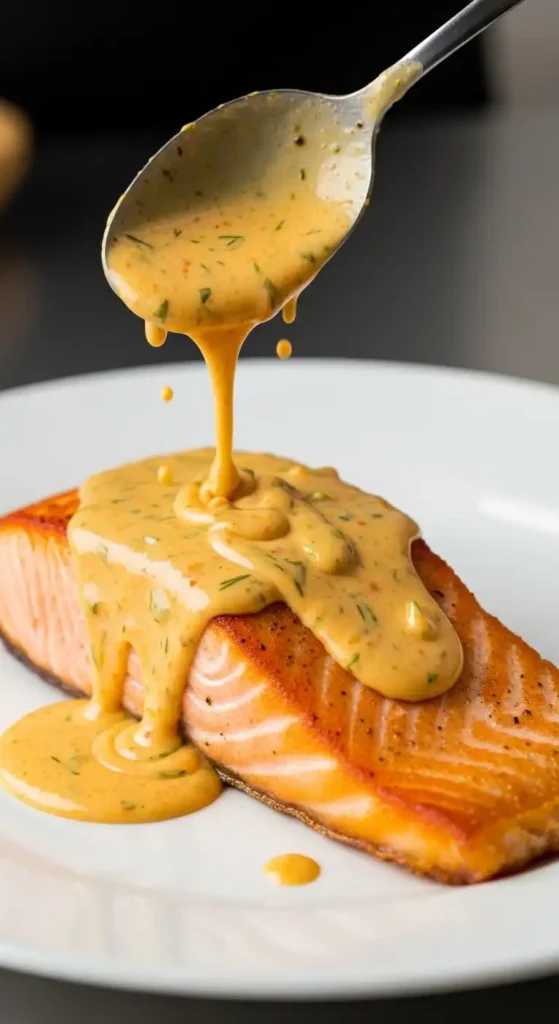
- Return the salmon to the pan for a quick glaze, 1 minute per side. Spoon extra sauce over the fillets and scatter with dill or parsley.
Why This Recipe is Awesome
This salmon sauce is simple, punchy, and frankly foolproof. It bronzes the fish without crowding it, then finishes with a zingy finish that keeps the bite exciting.
It’s idiot-proof, even I didn’t mess it up. In short: minimal effort, maximum swagger.
Ingredients You’ll Need
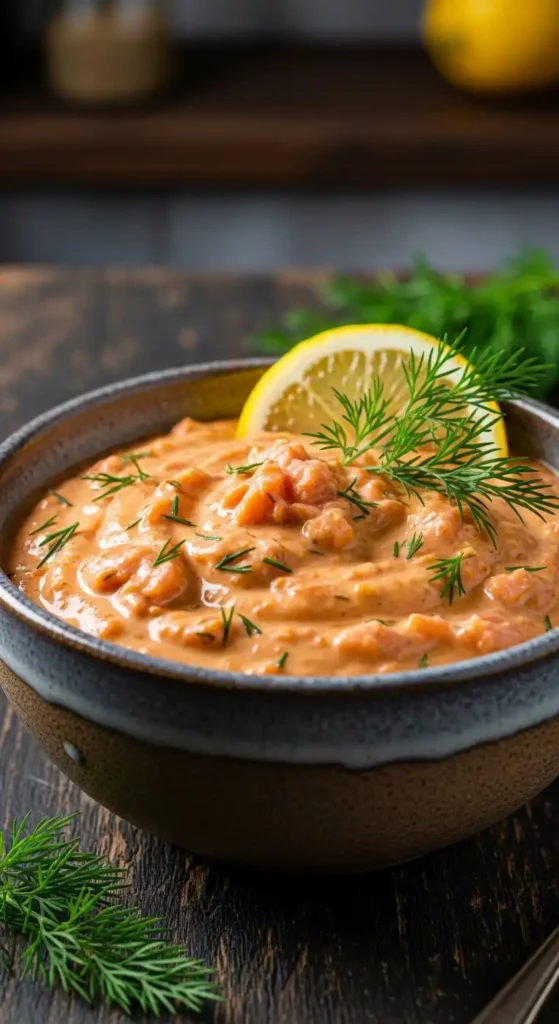
- 4 salmon fillets, skin on or off—your call
- 2 tablespoons olive oil or butter
- 1/2 cup chicken or vegetable broth
- 1/4 cup heavy cream or coconut cream for dairy-free folks
- 2 tablespoons lemon juice (about half a lemon)
- 1 teaspoon Dijon mustard
- 1 teaspoon honey or maple syrup (optional, for a hint of sweetness)
- Salt and pepper to taste
- Chopped fresh dill or parsley for garnish
Step-by-Step Instructions
- Season the salmon with salt and pepper. Heat oil or butter in a skillet over medium-high heat. Cook salmon until it’s just opaque in the center and the skin is crisp, about 3–4 minutes per side. Remove and set aside.
- In the same pan, add a splash more oil if needed. Pour in broth and simmer for 2–3 minutes, scraping up the tasty browned bits from the bottom.
- Stir in lemon juice, Dijon mustard, and honey. Let it bubble for a minute to meld the flavors.
- Lower the heat, whisk in the cream. Simmer until the sauce thickens slightly, 2–4 minutes. Taste and adjust salt and pepper.
- Return the salmon to the pan for a quick glaze, 1 minute per side. Spoon extra sauce over the fillets and scatter with dill or parsley.
How to Serve
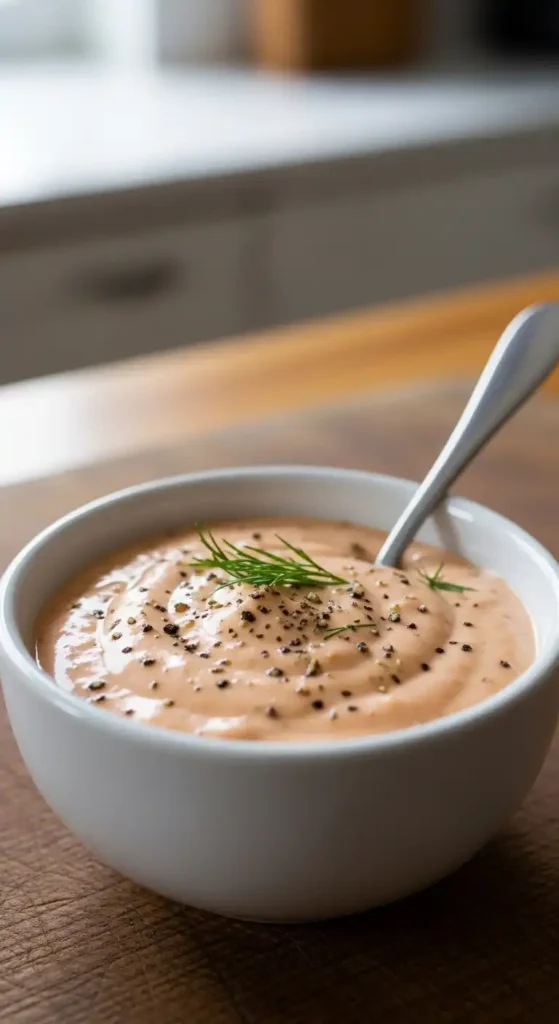
– Plate the salmon over a bed of rice, quinoa, or roasted vegetables so you’ve got a cozy canvas for the sauce.
– Drizzle generously. The sauce is the star, so don’t hold back.
– Pair with a bright salad and maybe a lemon wedge on the side for extra zing.
– For a quick wine-adjacent vibe without the wine, splash a tiny bit of apple cider vinegar or a pinch of zest on the greens.
– If you’re feeding a crowd, trio it with asparagus, green beans, or roasted broccoli for color and crunch.
– Presentation idea: spoon the sauce across the plate in a lazy swirl, then lay the salmon on top so every bite gets a glossy kiss of flavor.
Approximate Nutrition Facts per Serving
Per serving (approximate, because we live in reality):
– Calories: 360–420
– Carbohydrates: 6–9 g
– Protein: 30–34 g
– Fat: 22–28 g
– Fiber: 0–1 g
– Sugar: 2–4 g
Note: exact numbers depend on portions and dairy choices. If you’re dairy-free, use coconut cream and you’ll still be fabulous.
Common Mistakes (and How to Avoid Them)
– Preheating? Rookie move: don’t skip preheating the pan. A hot pan crisps the salmon skin and prevents sticking.
– Overcooking the fish: salmon is best just cooked through with a touch of translucence on the inside. Set a timer and watch the color transform.
– Skipping the degreasing step: those browned bits give flavor. Don’t dump them—they’re gold for the sauce.
– Adding dairy hot off the heat: dump the cold dairy in gently or it’ll curdle. Stir, taste, and adjust heat.
– Missing balance: too sour or too salty can ruin the sauce. Taste as you go and adjust with a splash of cream or a touch of honey.
Simple Alternatives or Ingredient Substitutions
– Dairy-free: swap heavy cream for coconut cream or almond cream; add a splash of olive oil for richness.
– Tangier finish: swap lemon juice for lime juice or a splash of white wine vinegar (if you’re comfortable with it).
– Herb swap: dill is classic, but parsley, chives, or tarragon bring different vibes—pick your mood.
– Protein switch-up: this sauce is flexible—try it with shrimp, chicken, or tofu for non-fish fans.
– Spicy twist: add a pinch of red pepper flakes for a wake-up call without wrecking balance.
– Thicker sauce: simmer a little longer or whisk in a tiny bit of cornstarch slurry to cling to the fish.
Conclusion
Salmon with this bright, creamy sauce is comfort and elegance in one skillet. It’s not fussy, it’s flavorful, and it plays well with weeknights and weekends alike.
So grab that salmon, heat up the pan, and let the sauce do the talking. Dinner, upgraded.
FAQ
Can I make this sauce ahead of time?
The sauce thickens slightly as it sits, which is fine for reheating. Rewarm gently on low heat and whisk in a splash of broth or cream to restore the gloss.
What if I don’t have lemon juice?
A splash of white wine vinegar or a quick grind of zest from any citrus you have will still give the brightness you want. If all else fails, a tiny pinch of citric acid works in a pinch.
Is this good with frozen salmon?
Yes, but thaw it fully and pat dry before cooking. Frozen salmon can be a touch drier, so monitor cooking time and add a touch of extra butter or oil if needed.
How do I store leftovers?
Store salmon and sauce separately in airtight containers for up to 2 days. Reheat gently on the stove and spoon extra sauce over the top to keep things moist.
Can I freeze the sauce?
It’s best fresh, but you can freeze in a freezer-safe container for up to 2 months. Thaw overnight and whisk over gentle heat to re-emulsify. If it looks split, add a splash of cream and whisk until smooth.


