
Turkey Rub Recipe: Bold, Juicy Perfection
Kick off the feast with a turkey rub that actually sticks around after you pull the thermometer out.
No more bland poultry waking up your leftovers; this rub brings a punch and a sizzle that makes the oven worth it.
Ready to turn Thanksgiving-level flavor into an everyday win? Let’s dive in.
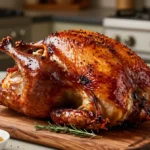
Turkey Rub Recipe: Bold, Juicy Perfection
Ingredients
- 2 tbsp olive oil
- 2 tbsp brown sugar
- 1 tbsp paprika (sweet or smoked, your call)
- 1 tbsp garlic powder
- 1 tsp onion powder
- 1 tsp salt (adjust to taste)
- 1/2 tsp black pepper
- 1/2 tsp dried thyme
- 1/2 tsp dried rosemary, crushed
- 1/4 tsp cayenne for a kick
Instructions
- Preheat your oven to the temperature your turkey requires, usually around 325–350°F (165–175°C). Pat the bird dry with paper towels—yes, it’s okay to get obsessed with dryness; it pays off.
- In a small bowl, mix the brown sugar, paprika, garlic powder, onion powder, salt, pepper, thyme, rosemary, and cayenne (if using) until it looks evenly dusty and delicious.
- Brush the turkey with olive oil to help the rub cling like a loyal sidekick. Then rub the spice blend all over the skin, inside the cavity if you’re feeling fancy. Don’t forget under the wings and around the legs for maximum flavor.
- Let the turkey rest for 15–20 minutes if you can swing it. While you wait, pretend you’re a turkey whisperer—this is your moment of calm before the oven chaos.
- Roast according to your bird’s weight, basting once or twice if you’re into drama-free cooking. Aim for an internal temperature of 165°F (74°C) in the thickest part of the thigh. Rest for 15–20 minutes before carving.
Why This Recipe is Awesome
This turkey rub is simple, bold, and idiot-proof—seriously, even I didn’t mess it up.
It balances sweet, savory, and a touch of heat without turning your kitchen into a smoke show.
It coats evenly, sticks through the final minutes of roasting, and makes turkey taste like an event.
Plus, it uses pantry staples you already own, so there’s no treasure hunt for exotic spices.
Ingredients You’ll Need
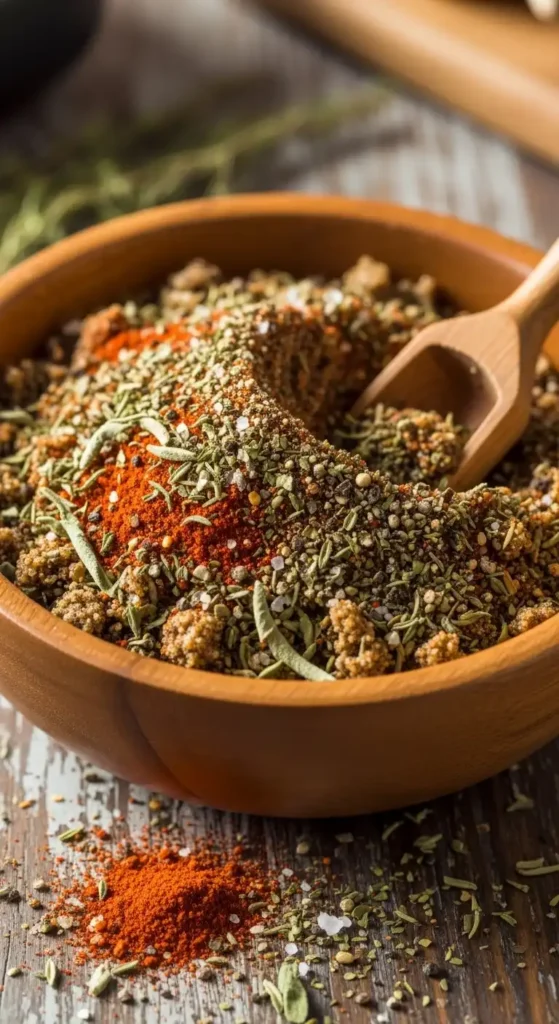
- 2 tablespoons olive oil
- 2 tablespoons brown sugar
- 1 tablespoon paprika (sweet or smoked, your call)
- 1 teaspoon garlic powder
- 1 teaspoon onion powder
- 1 teaspoon salt (adjust to taste)
- 1/2 teaspoon black pepper
- 1/2 teaspoon dried thyme
- 1/2 teaspoon dried rosemary, crushed
- Optional: 1/4 teaspoon cayenne for a kick
Step-by-Step Instructions
- Preheat your oven to the temperature your turkey requires, usually around 325–350°F (165–175°C). Pat the bird dry with paper towels—yes, it’s okay to get obsessed with dryness; it pays off.
- In a small bowl, mix the brown sugar, paprika, garlic powder, onion powder, salt, pepper, thyme, rosemary, and cayenne (if using) until it looks evenly dusty and delicious.
- Brush the turkey with olive oil to help the rub cling like a loyal sidekick. Then rub the spice blend all over the skin, inside the cavity if you’re feeling fancy. Don’t forget under the wings and around the legs for maximum flavor.
- Let the turkey rest for 15–20 minutes if you can swing it. While you wait, pretend you’re a turkey whisperer—this is your moment of calm before the oven chaos.
- Roast according to your bird’s weight, basting once or twice if you’re into drama-free cooking. Aim for an internal temperature of 165°F (74°C) in the thickest part of the thigh. Rest for 15–20 minutes before carving.
How to Serve
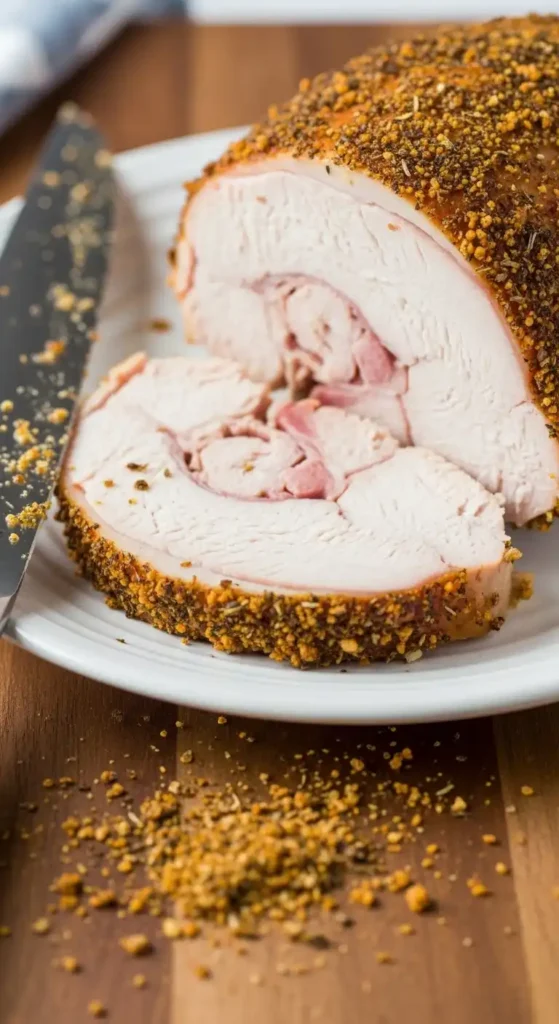
– Slice and plate with a confident, clean cut. A little extra rub on the carving board makes great crusty edges for seconds.
– Pair with simple sides: cranberry sauce, roasted vegetables, and a fluffy mashed potato pile. The rub brings the main flavor to the party; sides do the supporting chorus.
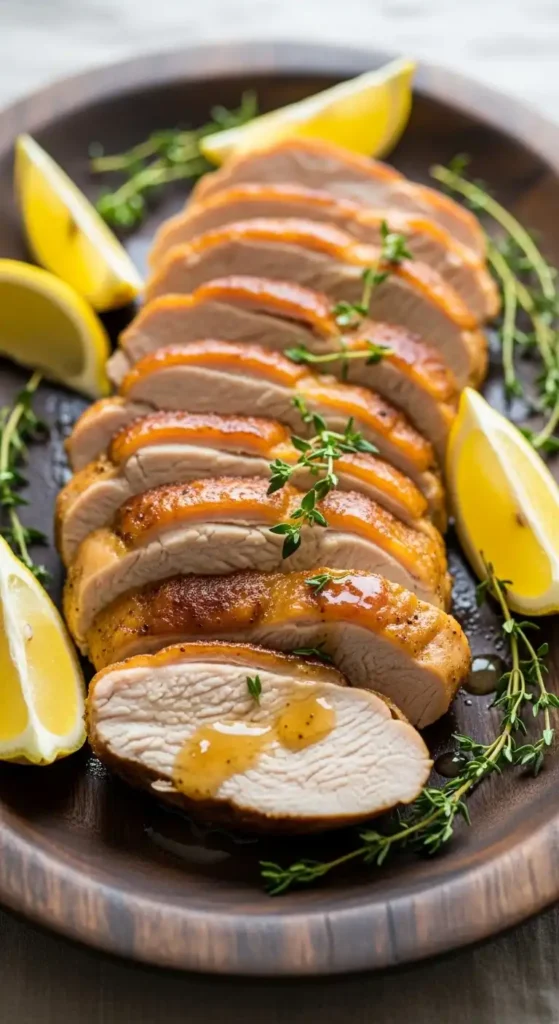
– For presentation, try a rustic platter with lemon wedges or a few sprigs of fresh thyme. A light drizzle of pan juices over the slices never hurts.
– If you’re feeding a crowd, offer a small bowl of warmed honey-butter to brush on for those extra caramelized edges. It’s not essential, but it’s delicious.
– Ideal occasions: weeknight turkey challengers, Thanksgiving pre-game, or any day you want to pretend you’re a five-star chef.
Nutrition Facts (Approximate)
Per serving (approximate, because we live in reality):
– Calories: 230–290
– Carbohydrates: 7–10 g
– Protein: 28–34 g
– Fat: 12–16 g
– Fiber: 1–2 g
– Sugars: 6–8 g
Note: Values vary with turkey cut and exact rub quantities. If you’re counting, own it and adjust accordingly.
Common Mistakes (with a wink)
– Thinking you don’t need to preheat the oven—rookie mistake. Oven temperature matters, not vibes.
– Skimping on patting dry the turkey. Moisture is a rebel; it sabotages crispy skin every time.
– Overloading the rub. More is not merrier here; too much can overwhelm the meat’s natural flavor.
– Forgetting to rub under the skin. You want flavor where the turkey actually tastes like it, not just on the surface.
– Not letting the turkey rest after roasting. Juices need a cease-fire moment; slice too soon and you’ll lose them.
Simple Substitutions and Tweaks
– Sugar-free option: replace brown sugar with a touch of maple sugar or omit entirely and add a touch more paprika for color.
– Heat level: drop cayenne if you’re spice-averse, or swap in ancho chili for a milder, smoky kick.
– Salt sensitivity: use a reduced-sodium blend or finish with a light salt sprinkle after cooking, tasting as you go.
– Herb swap: swap thyme and rosemary for Italian seasoning if you want a different aromatic profile. It’s your bird—paint it how you like.
Conclusion
There you have it: a turkey rub that’s practical, flavorful, and a little cheeky. It turns a routine roast into something you’ll actually look forward to serving.
So go ahead, pat dry, rub up, and roast like you own the kitchen.
Your guests will thank you with full plates and probably applause (or at least a satisfying “mmm” that means you nailed it).
FAQ
Can I prep this rub ahead of time?
Yes. Mix the dry rub ingredients in advance and store in an airtight container. When you’re ready, whisk in the olive oil and apply it to the turkey just before roasting. The flavors stay sharp and ready to party.
Is this rub good for chicken or other poultry?
Absolutely. It works beautifully on chicken, turkey thighs, or other poultry. You might want to adjust cook times, but the flavor profile stays delicious.
How long should I rest the turkey after cooking?
Aim for 15–20 minutes. Resting helps the juices redistribute, so you don’t end up with dry slices or a rotting cookbook page of frustration.
Do I need to baste during roasting?
Basting is optional. If you want extra moisture and a deeper glaze, baste once or twice. It’s not required, but it’s a small step with a nice pay-off.
What if my turkey skin is can’t-get-crispy?
Make sure you pat dry well, and consider finishing under high heat for 5–10 minutes at the end. Watch closely to prevent burning. A hot skillet touch or broil on the last few moments can help blister and crisp the skin.
If you’d like any tweaks or a shorter version tailored to a smaller bird, tell me the weight and I’ll adjust the steps and timing.


