
Lemon Pepper Sauce: Sunshine on Every Plate
Bright, zesty, and dangerously easy to make, lemon pepper sauce is basically sunshine in a bottle.
A few riffs of lemon, a kick of pepper, and suddenly chicken, veggies, or fish are doing happy dances. Yes, it’s that simple.
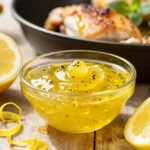
Lemon Pepper Sauce: Sunshine on Every Plate
Ingredients
- 1/4 cup fresh lemon juice (about 1–2 lemons, depending on mood)
- 2-3 tbsp lemon zest (zest is the sun, don’t skip it)
- 2 tbsp olive oil
- 2 cloves garlic, minced
- 1/2 tsp dried oregano (optional, but why not?)
- 1/2 tsp black pepper (adjust to your pepper tolerance)
- 1/4 tsp salt (or to taste)
- 1/4 tsp paprika (for a subtle smokiness)
- Pinch of red pepper flakes (optional, for heat)
Instructions
- Whisk together lemon juice, zest, olive oil, and garlic in a small bowl until it looks cohesive and not sad.
- Add oregano, pepper, salt, paprika, and red pepper flakes. Stir until everything is evenly distributed.
- Add oregano, pepper, salt, paprika, and red pepper flakes. Stir until everything is evenly distributed.
- Use immediately or let it sit for 10–15 minutes to let the flavors mingle like old friends at a party.
- Heat-friendly version: warm it in a small saucepan for 1–2 minutes to release aromatics before pouring over hot dishes.
Why This Recipe is Awesome
This lemon pepper sauce is idiot-proof, even I didn’t mess it up.
It’s versatile enough to slick over grilled chicken, drizzle onto roasted broccoli, or dunk shrimp like it’s a tropical VIP lounge.
Quick to pull together, it tastes bright without needing a chemistry degree to understand it.
If you’re after a tangy punch with minimal effort, you’ve found your flavor soulmate.
Ingredients You’ll Need
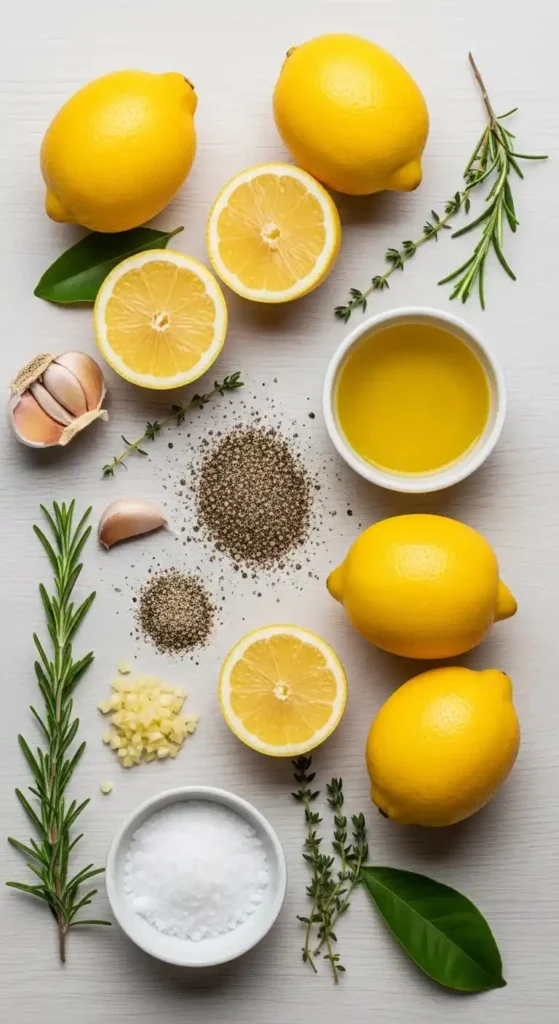
- 1/4 cup fresh lemon juice (about 1–2 lemons, depending on mood)
- 2–3 tablespoons lemon zest (zest is the sun, don’t skip it)
- 2 tablespoons olive oil
- 2 cloves garlic, minced
- 1/2 teaspoon dried oregano (optional, but why not?)
- 1/2 teaspoon black pepper (adjust to your pepper tolerance)
- 1/4 teaspoon salt (or to taste)
- 1/4 teaspoon paprika (for a subtle smokiness)
- Pinch of red pepper flakes (optional, for heat)
Step-by-Step Instructions
- Whisk together lemon juice, zest, olive oil, and garlic in a small bowl until it looks cohesive and not sad.
- Add oregano, pepper, salt, paprika, and red pepper flakes. Stir until everything is evenly distributed.
- Taste and adjust. If it tastes flat, splash in more lemon juice or a tiny pinch more salt. If it’s too sharp, a spoonful of honey or a splash of water can mellow it out.
- Use immediately or let it sit for 10–15 minutes to let the flavors mingle like old friends at a party.
- Heat-friendly version: warm it in a small saucepan for 1–2 minutes to release aromatics before pouring over hot dishes.
How to Serve
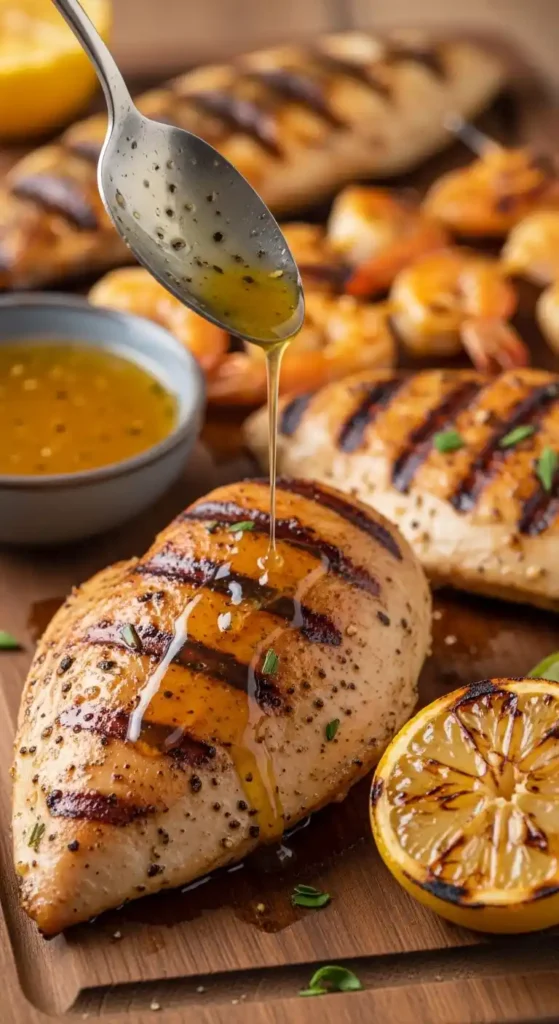
– Drizzle over grilled chicken, fish, or shrimp for a bright, quick finish.
– Toss with steamed asparagus or green beans for a lemony edge.
– Spoon over roasted potatoes or cauliflower to brighten the plate.
– Use as a dipping sauce for pita or crusty bread—because carbs deserve happiness too.
– For a simple bowl, mix with a bit more olive oil and toss with cooked quinoa or couscous.
– Presentation tip: a light dusting of fresh parsley and a lemon wheel on the side makes it look chef-y without any stress.
– Occasions: weeknight dinner, quick lunch, post-workout glow-up, or when you just want to pretend you’re a Mediterranean restaurant impresario in your own kitchen.
Nutrition Facts (approximate)
Per serving (approximate, because we live in reality):
– Calories: 120–150
– Carbohydrates: 8–12 g
– Protein: 2–3 g
– Fat: 9–12 g
– Fiber: 1 g
– Sugar: 1–2 g
Notes: Values vary with lemon size and oil brands. This is a bright, light sauce; it won’t weigh you down but it does bring flavor.
Common Mistakes
– Thinking you don’t need to zest the lemon—rookie mistake. Zest is flavor gold; skip it and you’ll notice.
– Overcooking garlic. It burns fast and bitter, and then your sauce ghosts your taste buds.
– Not tasting as you go. You can always add more lemon, but you can’t remove it once it’s in.
– Using cold sauce on hot food—let it rest a minute. Sudden chill on a hot bite is not the vibe.
– Skipping salt. Lemon is bright, but a touch of salt makes everything POP.
Simple Substitutions and Variations
– Dairy-free twist: omit any dairy; this sauce stays happy and tangy with oil and lemon.
– Fresh herbs: swap oregano for thyme or dill for a totally different vibe.
– Heat level: add more red pepper flakes or a pinch of cayenne if you like it bold.
– Zest swap: lime zest for a slightly greener, more tropical zing.
– Oil swap: use avocado oil for a milder flavor or a splash of tahini if you want creaminess without dairy.
– Quick marinade version: whisk in 1–2 tablespoons of soy sauce for a savory punch (still keep it lemony).
– If you forget to zest: a little extra juice and a pinch of zest substitute from bottled zest can help, but freshness wins.
Conclusion
Lemon pepper sauce is the lemon-sunshine upgrade your meals deserve.
It’s fast, flexible, and forgiving—perfect for days when you want big flavor without battling a recipe novel.
Keep a bottle in the fridge, and you’ll find yourself reaching for it in almost every dish.
FAQ
Can I make this ahead?
Yes. The flavors mingle nicely after a short rest. Store in an airtight container in the fridge for up to 3 days. Bring to room temperature and give it a quick whisk before using.
Is it okay to adjust the lemon level?
Absolutely. If you love lemon, add more juice and zest. If you’re cautious, start small and taste as you go. It’s easier to add than to rescue a too-lemony sauce.
Can I use this on vegetables?
Definitely. It’s fantastic on roasted broccoli, green beans, asparagus, or cauliflower. It turns simple veggies into a bright centerpiece.
What if I don’t have fresh garlic?
Dried garlic powder isn’t ideal but can work in a pinch. Start with 1/4 teaspoon and adjust to taste. Fresh garlic really does elevate the whole thing, though.
Can I make it dairy-free?
Yes. The recipe uses olive oil, lemon juice, and spices—totally dairy-free. No problem at all.


